When deciding between a walking pad vs treadmill for home fitness, focus on three real constraints: the space you have, the intensity you need, and how the machine will live (noise, storage and sturdiness). Ignore marketing claims about “gym-grade” bells and whistles if they don’t affect those constraints—features like large touchscreens or fancy programs matter only if you’ll actually use them.
Key decision criteria that should shape your choice
- Available floor space and storage: footprint when in use and whether the machine must fold or hide away.
- Workout intensity: walking and light cardio vs running, sprints or hill work (incline).
- Noise and vibration: upstairs apartments or shared walls require quieter motors and low-impact belts.
- Stability, safety and maximum user weight: heavier or faster users need a sturdier deck and higher motor capacity.
- Budget and long-term use: cheap compact devices can be fine for light daily walking but may wear faster under heavy use.
Walking pad vs treadmill — which is better for your home?
Short answer: pick a walking pad if you want low-impact walking, extreme space savings and quiet, under-desk use; pick a treadmill if you plan to run, do interval training, use incline features or need a very stable, heavy-duty deck.
Below is a practical comparison framed by the criteria above rather than a list of specs.
Space and storage: clear win for walking pads
Walking pads are designed to be slim and foldable; many models slide under a bed or stand upright in a closet. If you have a studio apartment, a narrow hallway or you want to use the machine under a desk, a walking pad will fit where most treadmills won’t. Full-size treadmills need a permanent cleared area and roughly 6–8 feet of length for safe use.
Workout intensity and features: treadmill for speed and versatility
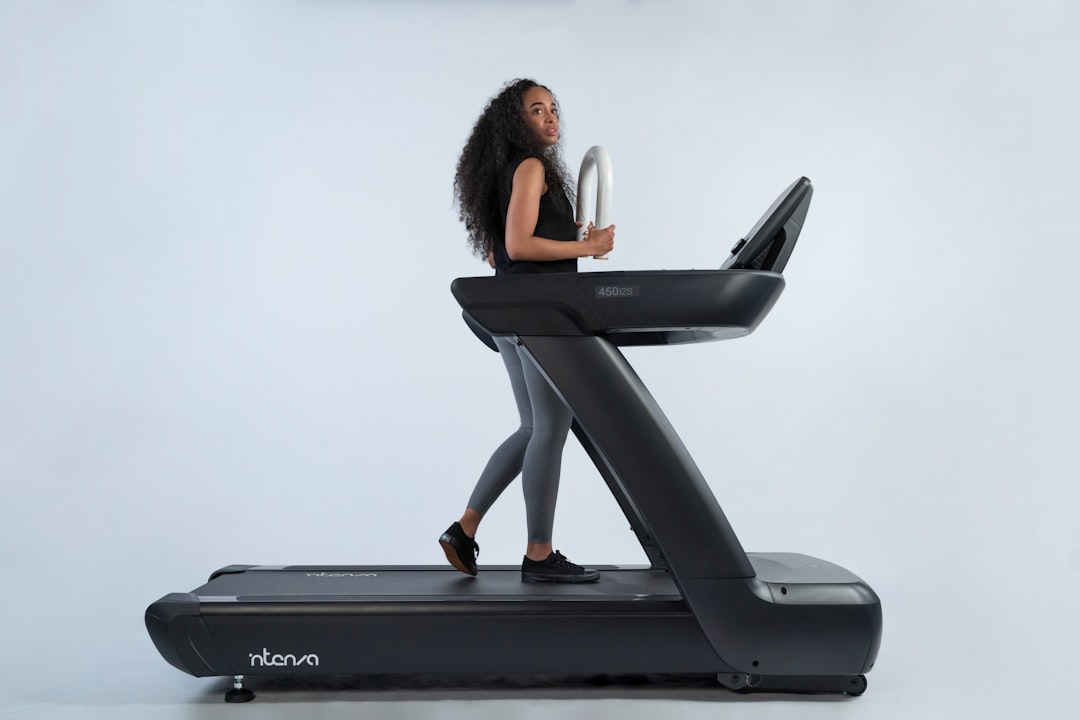
Treadmills typically support higher top speeds, stronger motors and inclines—essential for running, hill work and interval training. Walking pads usually top out at fast walking or slow jogging speeds and lack significant incline options. If your goal is to train for a race or do high-intensity intervals, a treadmill is the better tool.
Noise, vibration and neighbor impact
Walking pads often use lower-power motors and thinner decks, so they can be quieter—especially at walking speeds. But lower quality pads can transmit vibration to floors. Look for models that advertise quiet motors and shock absorption if noise matters. Heavy-duty treadmills with strong frames can surprisingly be quieter at moderate speeds because they’re more stable, though they still put more load on the floor during running.
Durability and safety: consider user weight and expected use
Durability depends on build quality and intended use. A cheap walking pad used by a 200+ lb person for daily long sessions will wear faster. Treadmills are built for sustained higher-power use and usually have stronger rollers, belts and frames. Check the stated maximum user weight and the warranty terms for motor and frame when durability matters.
Cost and value over time
On upfront cost, walking pads are generally cheaper. But if you outgrow a walking pad—want to run or require more robust performance—you may end up replacing it. A mid-range treadmill costs more but can handle a broader set of workouts for longer, which can be more cost-effective for committed runners.
Which option suits which kind of user?
- Daily stepper, remote worker, small apartment: Walking pad—fits under desks, stores easily and encourages consistent activity.
- Beginners who only walk for cardio and want budget-friendly: Walking pad is fine if sessions are short to moderate and user weight is within limits.
- Casual runner who wants safe progression to jogging: Consider a higher-end walking pad with higher top speed, or lightweight treadmill if you expect to run regularly.
- Regular runner, interval training, hill workouts: Full-size treadmill—supports speed, incline and stability needed for safe running.
- Households with shared spaces or upstairs neighbors: Prioritize quieter motors and add a shock-absorbing mat under either device.
Practical examples
Example A: A 5’7″ remote worker in a one-bedroom apartment who wants to beat sedentary days—choose a foldable walking pad that fits under the standing desk and folds away each evening.
Example B: A 160-lb runner training for a 5K—invest in an entry-level treadmill with at least 2.0 HP continuous motor and a belt length of 50–55 inches for comfortable running.
Accessories that matter
Regardless of choice, machine mats reduce vibration, protect flooring and lower noise. If you pick a walking pad and plan to use it under a desk, make sure the desk clearance and pad height work together.
This walking pad is a practical option for people prioritizing storage and under-desk walking. If you buy a pad or treadmill, protect floors with a quality mat.
Buying checklist before you commit
- Confirm real-world dimensions and whether the device folds for storage.
- Check maximum user weight and warranty on motor/frame.
- Test or verify top speed and incline if running or interval training matters.
- Plan for a mat and check noise descriptions or reviews if you have neighbors.
When you understand your space, workout goals and tolerance for noise, the best choice becomes clear: walking pads for compact, low-intensity daily movement; treadmills for sustained, higher-intensity cardio and running progression.
- Measure available floor space and storage spots
- Decide whether you’ll run or only walk
- Check user weight limits and motor warranty
- Plan for a mat to reduce noise and protect floors
- Read user reviews for real-world noise and durability reports
Choose a walking pad if your priority is compactness, quiet walking and under-desk use. Choose a treadmill if you need speed, incline and stable support for running or heavy use. Match the machine to your space and the workouts you actually plan to do.
Most walking pads are intended for walking and light jogging; few support safe sustained running. Check the manufacturer’s top speed, belt length and weight limit—if you plan to run regularly