
Improve mobility at home: a simple plan
Stiff hips, tight hamstrings and limited overhead reach are more than annoyances—they change how you move through everyday tasks. To improve mobility at home, focus on three outcomes: increase joint range of motion, reduce morning stiffness, and make key movement patterns (squat, hinge, lunge, reach) easier and pain-free. Below is a practical sequence you can do in 10–30 minutes depending on time and goals.
1. Quick baseline and realistic goals
Before you add a routine, check what matters to you: can you squat to chair depth, touch your toes with soft knees, or sit cross-legged comfortably? Pick 1–2 specific, measurable goals (e.g., “knees-to-chest with flat back” or “ankle dorsiflexion to 15°”) and note current limitations. This keeps practice focused rather than random stretching.
2. Daily warm-up: 5–10 minutes of dynamic mobility
A short dynamic warm-up primes joints and nervous system better than long static holds when your aim is usable mobility. Do each movement for 30–60 seconds, 1–2 rounds.
- Cat–cow into slow spinal circles — wakes the back and hips.
- Walking leg swings (front-to-back and side-to-side) — opens hips and trains balance.
- World’s Greatest Stretch (lunge with rotation) — combines hip flexor, hamstring and thoracic mobility.
- Ankle pumps and wall-assisted dorsiflexion — brief reps to improve ankle range for squats and walking.
3. Targeted flexibility work: when and how long
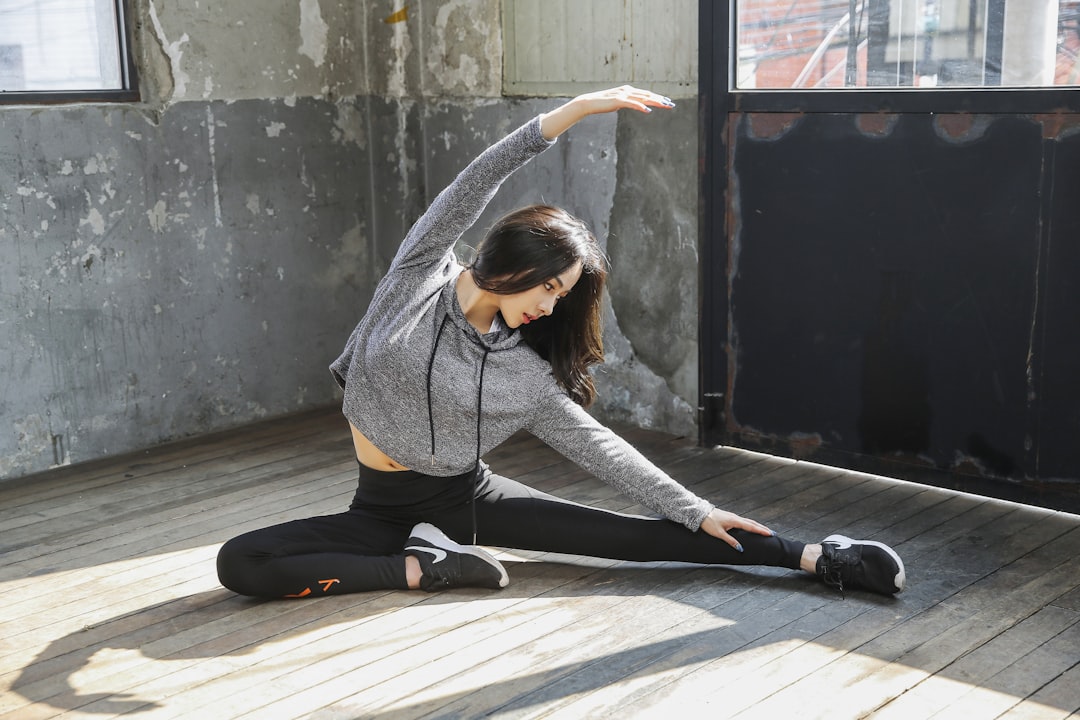
Static stretching is most effective after muscles are warm—either after the dynamic warm-up or at the end of a workout. Hold each targeted stretch 30–90 seconds for measurable gains; repeat 2–3 times if you have extra time.
- Hamstring: seated or supine band-assisted stretch (keep mild tension, long breath).
- Hip flexor: half-kneeling with slight posterior pelvic tilt to protect the lower back.
- Glute/piriformis: figure-4 supine with gentle knee hug.
- Chest/shoulder: doorway stretch for thoracic and shoulder mobility.
4. Use simple tools to speed progress
Small tools make home mobility more consistent and effective. A looped resistance band assists passive stretching and controlled joint mobilizations; a foam roller breaks up tight tissue and preps muscles.
For most people, a basic resistance band set solves many needs—assisted hamstring stretches, ankle mobilizations, and banded shoulder distractions.
If you want a quick resource for purchases and resistance options, see our mobility bands category.
5. Two sample at-home routines (10 and 20 minutes)
Use these as templates you can repeat daily. Focus on control rather than intensity.
Quick 10-minute routine (morning or desk-break)
- 1 minute: Cat–cow and spinal circles.
- 2 minutes: Leg swings, alternating sides.
- 2 minutes: Ankle mobilizations against wall.
- 2 minutes: World’s Greatest Stretch (one side, then the other).
- 3 minutes: Seated figure-4 stretch and gentle band-assisted hamstring on the tightest side.
Focused 20-minute routine (after exercise or in the evening)
- 5 minutes: Light dynamic warm-up (as above).
- 5 minutes: Foam-roll calves and quads, 1–2 minutes each area.
- 6 minutes: Static holds — 90 seconds hip flexor each side, 90 seconds seated hamstring each side.
- 4 minutes: Doorway chest stretch and shoulder dislocations with a band.
Troubleshooting and simple adaptations
- If a movement causes sharp pain, stop and try a gentler variation or reduce range; pain is different from the uncomfortable stretch sensation.
- Limited progress after two weeks? Add frequency before intensity: shorter daily sessions often work better than infrequent long ones.
- Post-injury or surgical recovery requires clearance from a clinician; use gentle range-of-motion work and follow prescribed limits.
- Tight on time? Break a 20-minute routine into two 10-minute sessions across the day—consistency still wins.
When to seek hands-on help
If your mobility limits include swelling, neurological symptoms (numbness, pins-and-needles), or persistent joint instability, see a physical therapist. For mechanical but non-urgent stiffness, a few weeks of structured home practice often yields clear improvement.

Practical progression: increase static hold times, add small loading to end ranges (light band resistance), and track functional milestones like deeper squats or improved lunge stride length.
- Pick two measurable mobility goals and note your starting point.
- Do a 5–10 minute dynamic warm-up before deeper stretches.
- Use a band or foam roller to assist stretches and tissue prep.
- Practice a short routine most days rather than long sessions rarely.
- Stop for sharp pain; consult a clinician for neurological signs or swelling.
Improving mobility at home is about consistent, focused practice: warm up dynamically, follow with targeted static stretches when warm, and use simple tools like resistance bands and a foam roller to accelerate gains. Track small functional goals and prefer daily short sessions over occasional long ones.
Daily is ideal; aim for 5–15 minutes most days. If that’s not possible, three focused sessions per week still produce gains.
Do dynamic mobility before exercise to prime movement. Reserve longer static stretches for after workouts or dedicated mobility sessions when tissues are warm.
Yes—wall-assisted dorsiflexion, ankle pumps, and controlled calf stretches are effective. A band can add gentle progression but isn’t required.
Mobility work can reduce stiffness-related discomfort and improve function, but persistent joint pain or swelling should be evaluated by a healthcare professional.
A