When you skip the gym but still want to train—quick, cheap, effective
It’s raining, the commute is long, or the monthly membership is more than you want to pay. Building a home gym on a budget means replacing the hassle and cost of a club with a small, functional space that supports strength, mobility and cardio for far less money. The goal: a reliable setup that fits your space, supports most workouts, and can be upgraded later.
home gym on a budget — decide the smallest useful outcome first
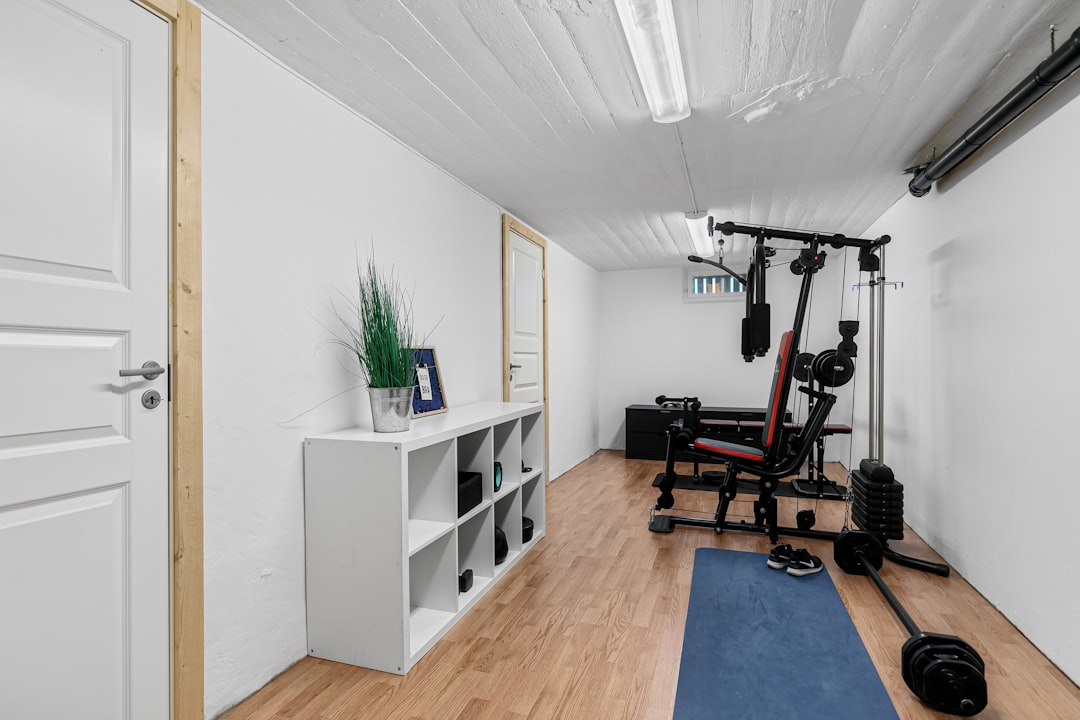
Before you buy anything, decide what you must be able to do at home. Most people want to hit three priorities: full-body strength, short cardio, and mobility or recovery. If you can cover those three reliably, everything else is a luxury. Choose one clear, compact space — a corner of a room, a spare bedroom, a garage bay, or even a balcony — and measure it.
Quick space checklist
- Footprint: how many square feet? (A 6′ × 8′ corner is enough for basic gear.)
- Ceiling height: important for overhead moves, pull-up bars and suspension trainers.
- Noise and neighbors: consider time and type of workouts (impact jumping vs. stretching).
- Storage: can you dedicate a shelf, wall hooks, or a closet for equipment?
Choose three core pieces that cover most workouts
Instead of buying many single-purpose items, pick three versatile tools. These give the most movement coverage for the money.
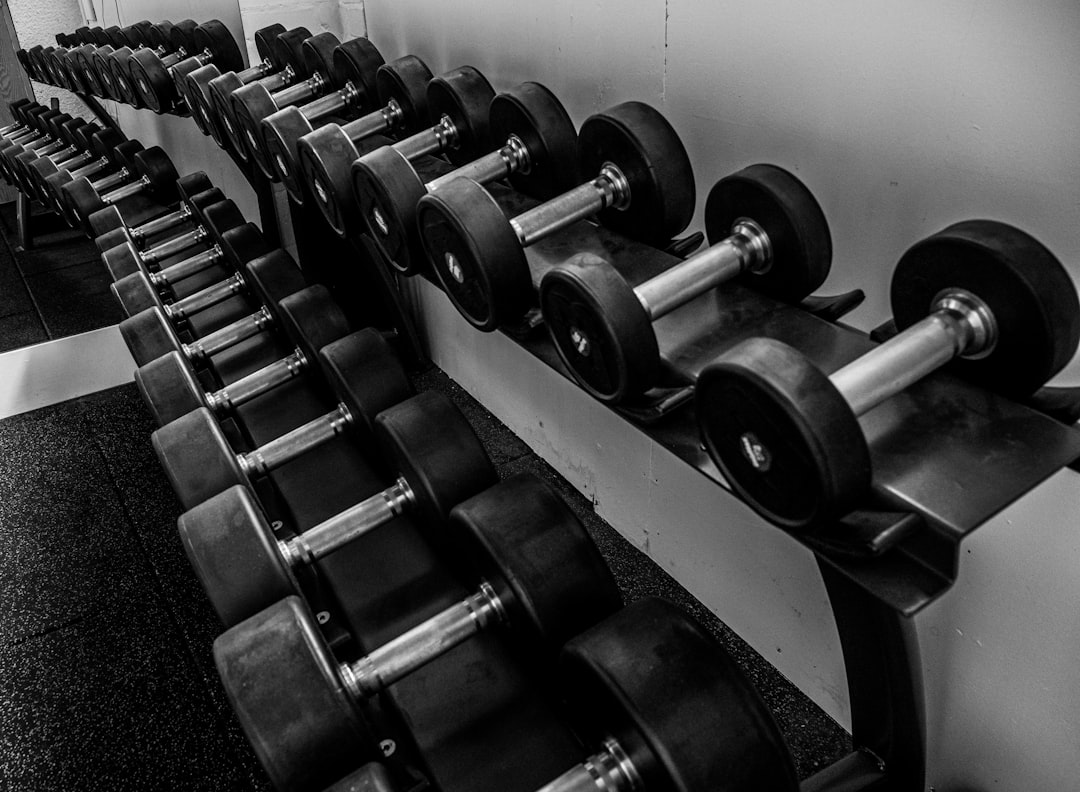
- Adjustable dumbbells or a small set of dumbbells/kettlebell. They cover rows, presses, goblet squats, lunges and Romanian deadlifts. Adjustable dumbbells save space and can replace a rack of fixed weights.
- Resistance bands and/or a suspension trainer. Bands add progressive resistance, assist pull-ups, and provide inexpensive mobility tools; a door-anchored suspension trainer enables rows, chest presses and leg work.
- Floor protection: interlocking mats or a single thick mat. Protects your floor and reduces noise; it’s an investment that extends the life of your space and equipment.
Why these three?
Between dumbbells, bands and a stable floor you can do compound lifts, unilateral work, core work and progressive overload. Cardio can be short and high-intensity—jump rope, hill sprints, or a budget cardio machine later—while mobility is handled by the bands and a mat.
How to shop smart: new, used and where to save
Stretch your dollars by mixing new and used buys and prioritizing what affects safety or longevity.
- Buy new for items that wear out or affect safety: floor mats, resistance bands (snap risk), and suspension trainers with clear weight ratings.
- Buy used for metal gear: dumbbells, kettlebells, benches and racks are often sold locally for deep discounts. Check for cracks, wobble or rust.
- Look for bundle deals: adjustable dumbbell sets and weight benches bundled often beat buying pieces separately.
Floor mats are one of the few things worth buying new because a damaged mat is a hazard and protects both your floor and equipment. If you want a ready option, the AIRHOP interlocking gym floor mat set is a budget-friendly floor solution that fits small setups well.
Measure door widths, ceiling height and how much floor you can spare. An adjustable bench or rack won’t fit if you don’t plan for length and clearance during movements like bench pressing or incline presses.
Sample budget builds you can replicate
Below are practical builds for different price points. Prices vary by region; these are functional blueprints rather than exact shopping lists.
Under $200 — Minimalist starter
- Door-anchored suspension trainer or long resistance bands (covers pulls and presses)
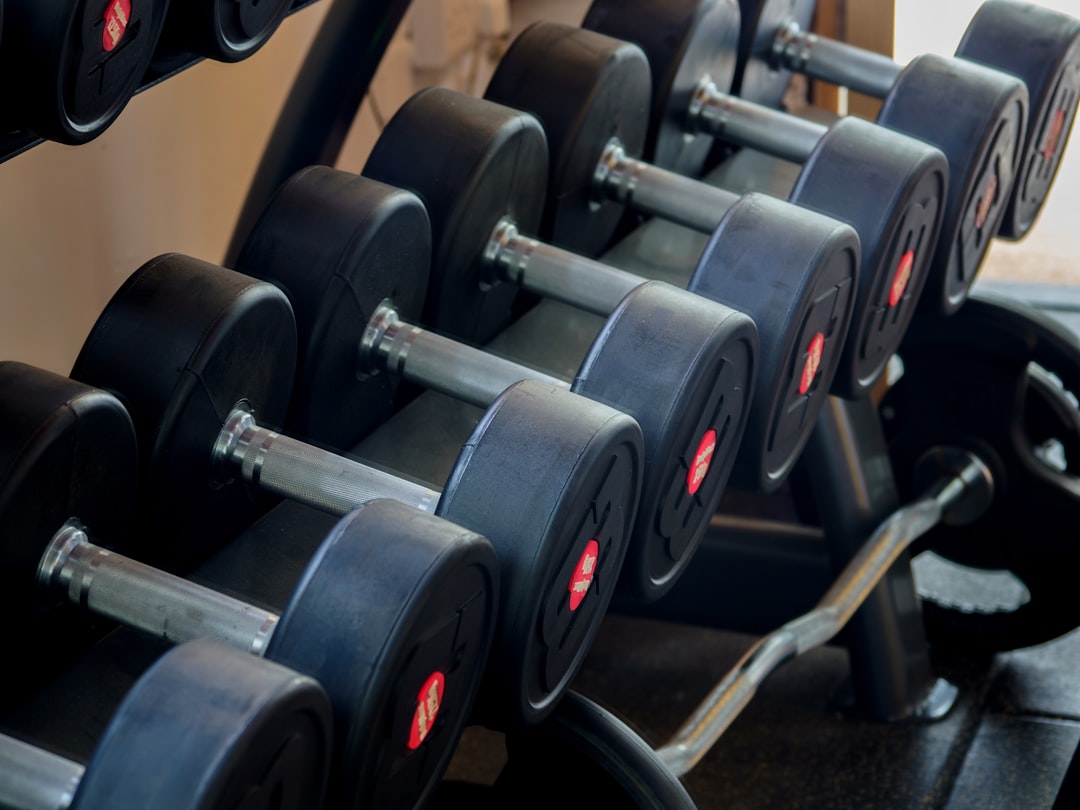
- Single adjustable kettlebell or a pair of cheap dumbbells (12–25 lbs depending on strength)
- Basic interlocking mat tiles for a small area
- Total: good for beginners who want bodyweight plus resistance training.
$200–$600 — Broad capability
- Adjustable dumbbells (or a used set of fixed dumbbells)
- Resistance band set + suspension trainer
- 8–12 interlocking floor tiles
- Optional: flat/incline bench on sale or used
- Total: supports progressive strength training and small-group workouts.
$600+ — Nearly gym-capable
- Higher-capacity adjustable dumbbells or small barbell + plates
- Adjustable bench and compact squat or power rack if space and budget allow
- Full set of interlocking mats and storage solutions
- Total: supports heavy lifts and more specialized training.
Set up, safety and simple routines to start using your gear
Arrange equipment to leave a 2–3 foot movement zone around each exercise, anchor suspension trainers securely, and test bands for wear before every session. Start with compound moves (squat variations, rows, pressing, hinge) and add 10–20 minutes of cardio two to three times per week.
If you train alone often, review our Home Gym Safety Guide for tips on spotting, load limits, and safe solo practice.
Maintenance and upgrades that pay off
Keep bands and mats clean and dry. Re-tighten bench bolts and inspect used weights regularly. Upgrade based on what you miss most in workouts—if you plateau on leg strength, add a heavier kettlebell or small barbell; if you want more endurance, add a jump rope or used rower when your budget allows.
- Measure your space and ceiling before anything else.
- Pick three core items: weights, bands/suspension, and floor protection.
- Buy mats new; look used for heavy metal gear but inspect condition.
- Create a short weekly routine combining strength and 10–20 minutes cardio.
- Store gear on hooks or a small shelf to protect it and free space.
A functional home gym on a budget is less about buying everything and more about choosing a small space, three versatile pieces and protecting your floor. Start small, mix new and used purchases wisely, and upgrade only for real training needs.
How much space do I really need?
A 6′ × 8′ area covers most basic setups (dumbbells, mat, bench). For overhead lifts and racks, allow extra ceiling height and clearance behind the bar.
Are adjustable dumbbells worth the cost?
For small spaces they’re often the best value—replace multiple fixed pairs and save room, though high-capacity adjustable sets can be pricey.
Can I do a good workout with only resistance bands?
Yes—bands provide progressive resistance and accessory variety; pairing them with a single kettlebell or dumbbell expands exercise options significantly.
What flooring should I choose for a concrete garage?
Interlocking rubber or EVA mats are ideal to protect the concrete and equipment, reduce noise, and provide traction; buy new for best safety and longevity.
Where to buy used equipment safely?
Local marketplaces, gym closings and pawn shops can be good sources; inspect for cracks, wobble, sharp edges, and clean rust before buying.