Bottom line: choose the machine that matches your primary goal and constraints—if you want to run and train for races, get a treadmill; for low-impact steady-state or interval work in small spaces, pick a stationary bike or compact elliptical; for efficient full-body intervals and posterior-chain conditioning, choose a rower. Now read the trade-offs and practical checks that actually matter so you buy the right machine for your home.
How to choose home cardio equipment: what actually matters
Before you compare models, focus on five priority questions. Answering these will narrow your choice more than brand names or specs do:
- Primary goal: distance running, fat loss, cross-training, rehab, or low-impact maintenance?
- Impact tolerance and joint issues: do knees, hips or back limit you?
- Space and storage: floor footprint, ceiling height, and whether you need to fold or move the machine.
- Household constraints: neighbors, apartment floors—how important is quiet?
- Budget and long-term use: occasional workouts vs daily training and maintenance willingness.
Key factors that change the recommendation
Think of these as filters you apply to each machine option.
Fitness goal and workout type
If you plan to train for outdoor running or want sprint intervals, a treadmill best replicates running mechanics. For long steady-state cardio or spin-style intervals, bikes are more efficient per watt and easier to sustain. Rowers give fast full-body calorie burn and translate well to strength endurance. Ellipticals sit between bike and treadmill: they’re closer to running mechanics but with reduced impact.
Impact and joint health
Low-impact machines (bike, elliptical, rower) are better if you have joint pain or are rehabbing. Treadmills carry the highest impact but can be kinder than roads if they have good cushioning and you control pace.
Noise, neighbors and floor type
Bikes and ellipticals are typically quiet; rowers make some clacking and treadmills can transmit foot strike. If you live in an apartment, measure downstairs neighbors’ tolerance—rubber mats reduce vibration. See our exercise equipment mats for options that fit most machines.
[h2 is required to include focus keyphrase—already used above; keep usage limit intact]
How each machine performs against the key factors
Treadmill — best for running specificity and high-impact training
Why pick it: replicates outdoor running, lets you control speed and incline, good for race training and sprints. Trade-offs: needs the most space and produces the most noise/impact. Maintenance includes belt alignment and motor care.
Ideal buyer: runners, those who prefer weight-bearing exercise, or anyone training for outdoor events.
When to skip it: you have joint problems, strict noise limits, or very little continuous floor space (treadmills require both length and clearance above the belt).
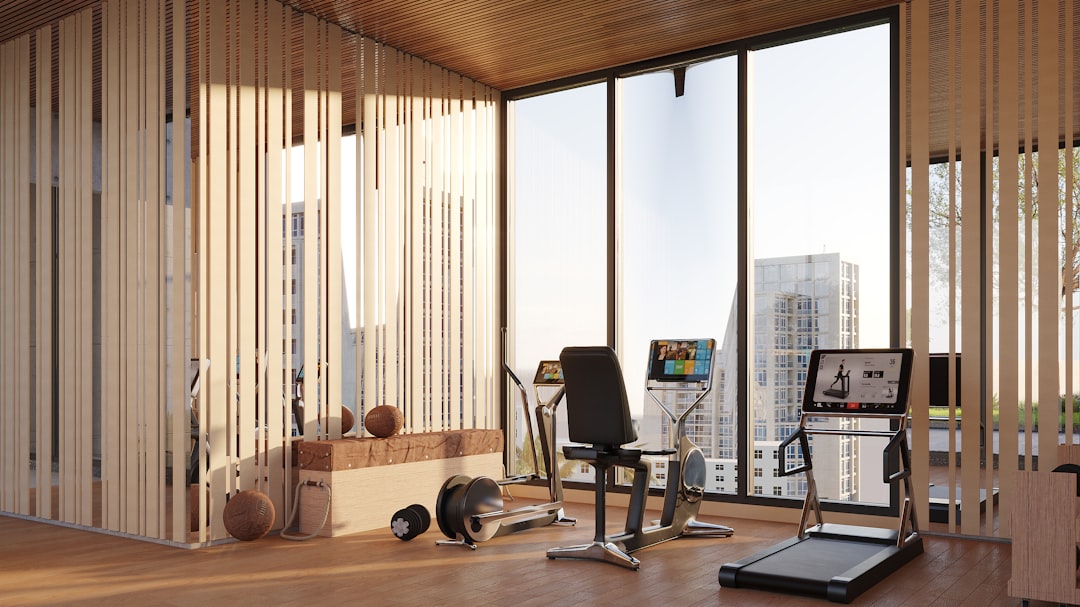
If you decide on a treadmill, check incline range, motor horsepower for sustained running, and whether it folds for storage. Also measure ceiling clearance for high-interval sessions (a rule of thumb is allow an extra 6–8 inches above your head when standing on the belt at top stride). For space advice, see How Much Space Do You Really Need for a Home Gym?
Stationary bike — best for quiet, low-impact, small spaces
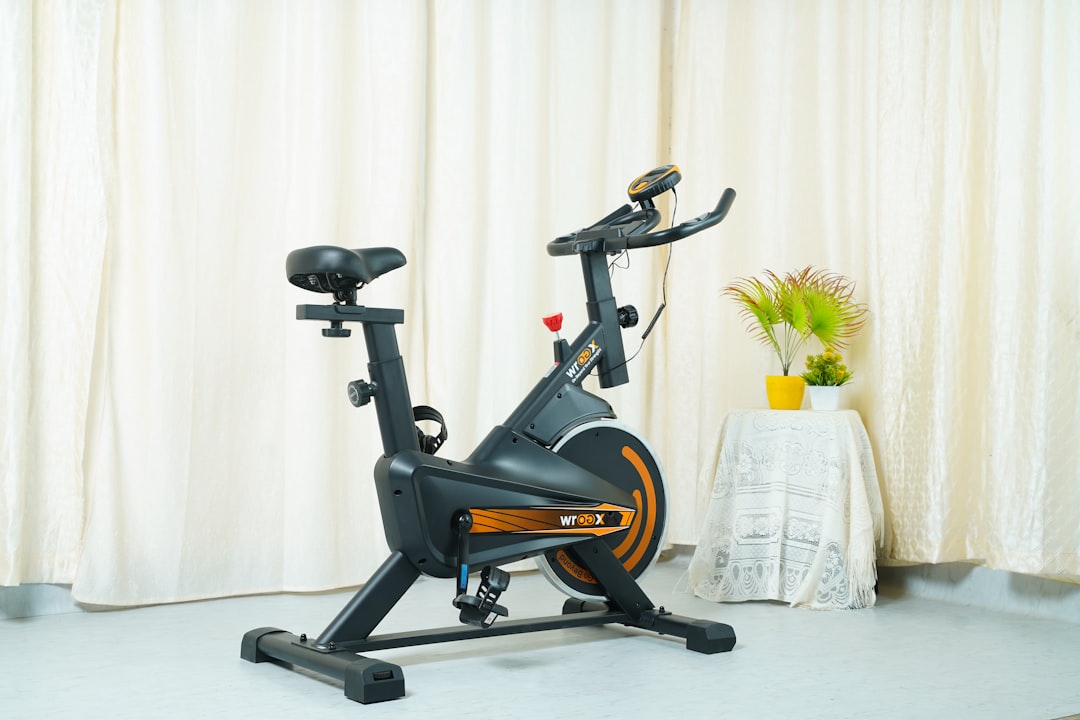
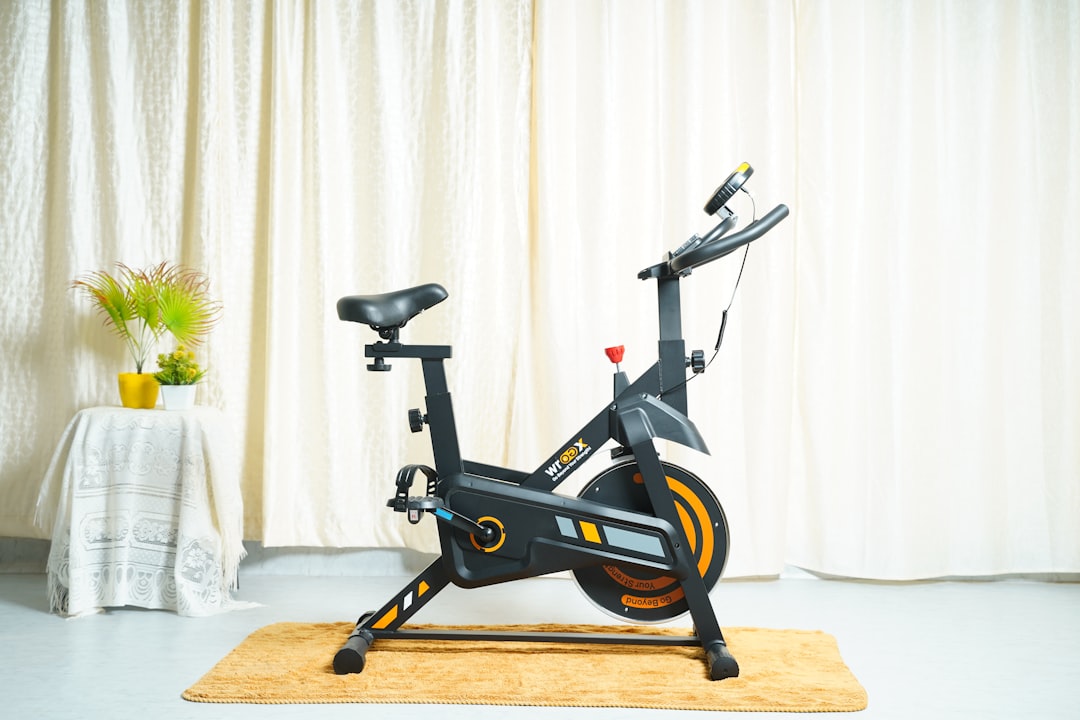
Why pick it: compact footprint, very quiet, easy to fit into apartments, excellent for interval training and low-impact steady-state. Types: upright, recumbent and indoor cycling (spin) bikes—each shifts body position and muscle emphasis.
Ideal buyer: commuters, people rehabbing lower limbs, and time-crunched exercisers who want quick, intense workouts.
Note the adjustability of the seat and handlebars, resistance type (magnetic is quieter) and if the bike supports an app or power output display for structured training.
Rower — best for efficient full-body cardio and posterior-chain strength
Why pick it: combines legs, core and upper body into each stroke—high calorie burn and time-efficient conditioning. It’s low-impact but more technique-dependent; novices may feel sore differently as they learn the stroke.
Ideal buyer: people who want a compact machine that trains both cardio and posterior muscles, or those who want a cross-training tool to complement lifting.
Trade-offs: it requires full-body coordination and can be noisy if the rail or seat needs maintenance; also needs enough length for the slider (usually 7–9ft footprint).
Elliptical — best for low-impact running feel and joint-sensitive users
Why pick it: simulates running motions with much lower impact; many models offer stride-length adjustments and incline. It’s a good middle ground if you want running-like movement without the pounding.
Ideal buyer: runners rehabbing an injury, older users, or anyone needing long low-impact sessions.
Watch for stride length (shorter strides feel stiffer for taller users), flywheel smoothness, and whether the machine is easily moved for storage. Ellipticals are often heavier but quieter than treadmills.
Budget, durability and long-term costs
Expect to pay more for durable, commercial-type components (belt and motor on treadmills; strong frames and smooth flywheels on bikes and ellipticals). Consider warranties on the motor/drive and parts. Factor in accessory purchases: floor mats reduce noise and protect floors—see our exercise equipment mats for compatible sizes.
Quick buying checklist before you click
- Confirm primary goal and whether you need low-impact movement.
- Measure ceiling height and floor footprint; test doorways for delivery clearance.
- Test noise level if possible, or read user reviews about motor and strike noise.
- Compare warranties on frame and drive components, not just consoles.
- Plan for a floor mat and any assembly help you might need.
- Have you measured the room length, width and ceiling clearance?
- Can the machine be moved or folded when not in use?
- Will neighbors or household members object to noise or vibration?
- Does the machine’s warranty cover motor and drive components?
- Have you budgeted for a mat, delivery and possible assembly?
Pick the machine that answers your primary training need and fits your home constraints. Treadmill for running specificity; bike or elliptical for quiet, low-impact workouts; rower for compact full-body conditioning. Measure, check noise and warranty, then buy the model best matched to those priorities.
A rower or treadmill running at high intensity typically yields the highest calorie burn per hour, but individual effort, body weight and workout type determine actual results.
Yes—compact treadmills can support walking and light jogging; for aggressive running or long-stride sprints, a full-length treadmill is safer and more comfortable.
Both are low-impact; recumbent bikes reduce knee strain further for