Short answer: which is better for most home trainees
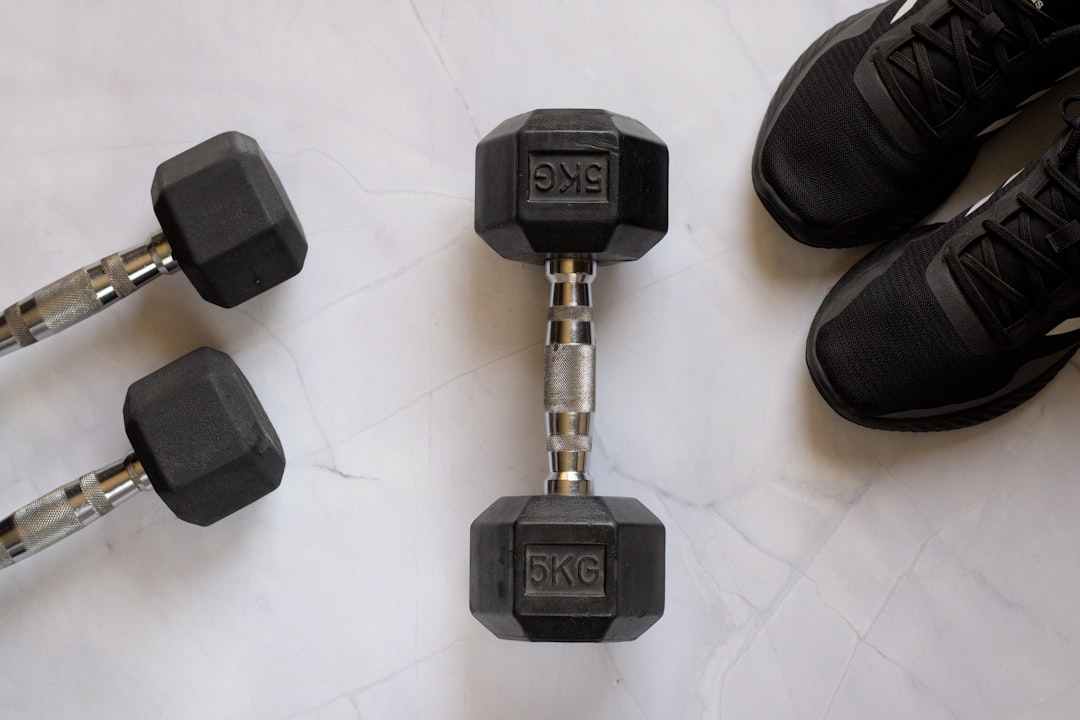
Adjustable vs fixed dumbbells — for most home users, adjustable dumbbells are the better default because they save space and money while covering broad weight ranges. Fixed dumbbells still win when you prioritize durability, quick transitions between heavy sets, or a specific aesthetic in a dedicated home gym.
adjustable vs fixed dumbbells: key decision criteria
Decide by these practical factors, in roughly this priority order: space and storage, budget and total weight range, how quickly you change weights during workouts, build quality and longevity, exercise selection and stability, and resale or expandability. Below we compare each criterion rather than list isolated features.
Space, storage and convenience
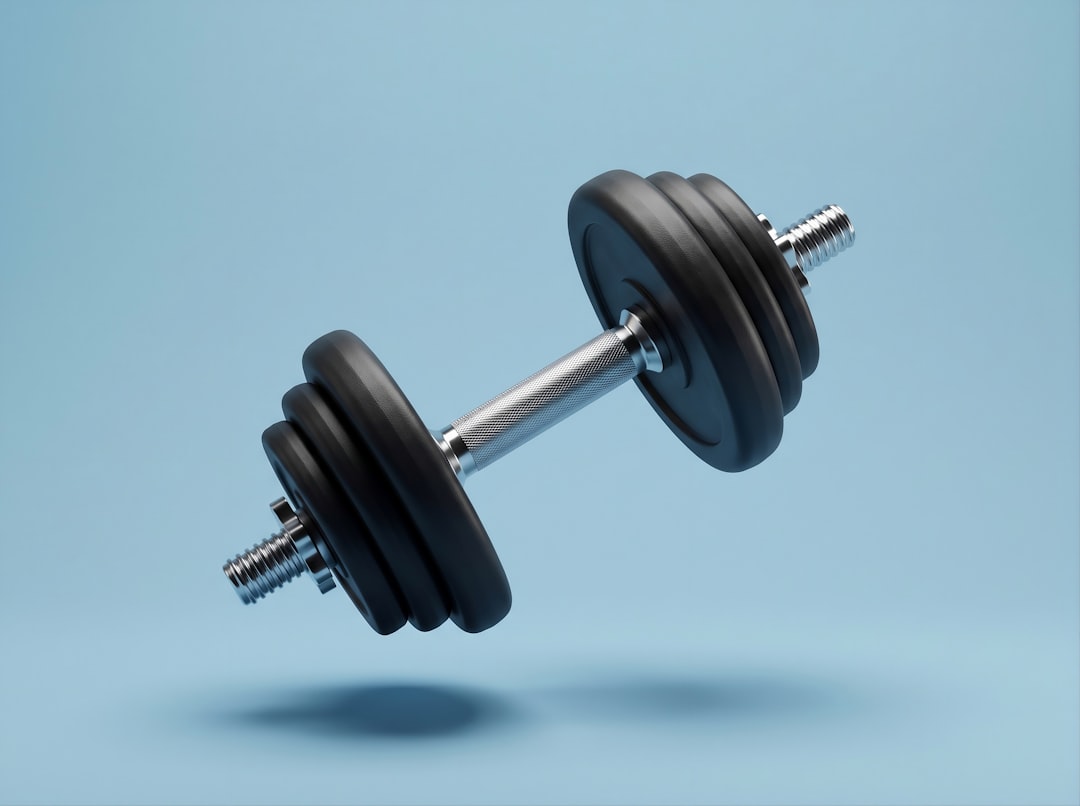
Adjustable dumbbells compress many plates into one pair. A single adjustable set (4–50 lb per handle) replaces 10–15 fixed pairs, freeing floor space and avoiding a large rack. If you live in an apartment, have limited closet space, or want to keep a tidy living area, adjustable dumbbells are the clear winner.
Fixed dumbbells need more rack space. If you have a garage or finished basement and want a traditional gym look, a full set of fixed dumbbells is fine — and it speeds up circuits where multiple people or quick weight changes are common.
Budget and long-term cost
Upfront, adjustable sets cost more than a single pair of fixed dumbbells but less than buying an equivalent range of fixed weights. For a beginner planning gradual progression, an adjustable pair (or two) is usually the most cost-effective route. If you expect to add many heavier fixed pairs over time, total spending can quickly exceed the cost of a quality adjustable set.
Speed of switching, programming and training style
Fixed dumbbells let you grab two pairs and move between exercises instantly — ideal for drop sets, partner workouts, or heavy supersets. Adjustable models vary: some use a twist-and-lock dial that changes weight in seconds, while plate-style systems need manual changes which are slower.
If your workouts include lots of short-rest circuits, CrossFit-style conditioning, or you train with a partner, fixed dumbbells or higher-end quick-adjust models reduce friction. For single-person strength training with conventional sets (3–5 working sets per exercise), the slight pause to change adjustable weights is rarely a problem.
Stability, feel and exercise selection
Fixed dumbbells typically use solid heads and a uniform handle-to-weight feel; they’re quieter and often preferred for heavy presses, farmer carries and exercises where balance is critical. Some adjustable models place plates farther from the handle, changing leverage and feel—fine for many moves but noticeable on unilateral stability work.
Durability and maintenance
Fixed dumbbells are mechanically simple — no moving parts — so they tolerate drops and heavy daily use better. Adjustable units contain selectors, pins or locking mechanisms that require occasional maintenance and are more vulnerable to wear if mistreated.
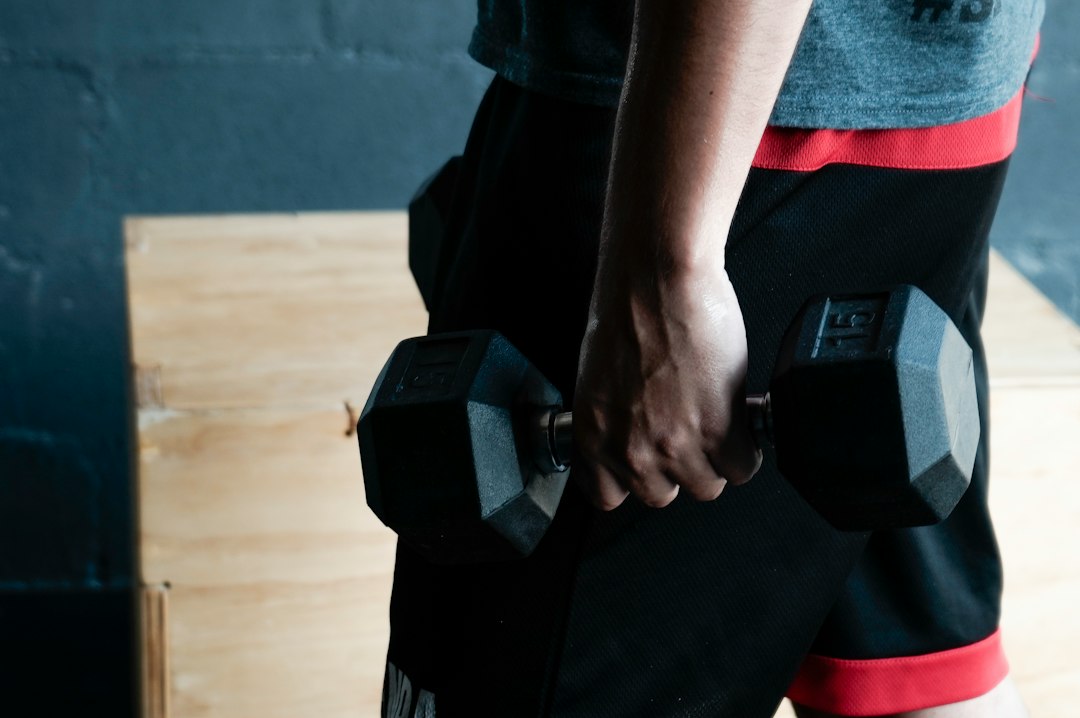
Keep selector mechanisms clean and don’t drop adjustable dumbbells; drops can misalign plates and void warranties. Fixed hex dumbbells tolerate drops much better.
Resale, upgrade path and expandability
Fixed dumbbells hold value well locally — people often buy single pairs to round out a set. Adjustable dumbbells are convenient to sell as a single item but may have lower demand if the brand is unfamiliar or if selectors wear. If you plan to build a full gym over years, fixed pairs added over time can eventually beat an adjustable set for convenience, but cost and space must be weighed.
Which one fits your profile?
Match recommendations to common home-trainee types:
- Apartment dwellers or minimalists: Adjustable dumbbells. They save space and replace a rack of fixed pairs.
- Beginners on a budget: Adjustable pair (4–25 lb or 5–50 lb range) covers early progression without repeated purchases.
- Busy circuit trainers or multi-user households: Fixed dumbbells or quick-adjust models for fast transitions.
- Serious strength lifters or commercial-style garage gyms: Fixed dumbbells for durability and consistent feel; buy a rack and plan space accordingly.
- Hybrid preference: Some owners combine a compact adjustable set for most work and one or two heavier fixed pairs for heavy rows, presses or farmer carries.
Shopping pointers and one product to consider
When buying adjustable dumbbells, check the weight increments (1–2.5 lb increments are best for steady progression), the selector mechanism reliability, warranty terms, and whether a compatible stand or rack exists. For fixed dumbbells, verify handle knurling, head securement (welded or cast), and whether they fit your chosen rack.
If you want a practical, compact adjustable set that’s a strong local match for home training needs, consider the NÜOBELL® Adjustable Dumbbell Set for its twist-lock selector system and space-saving design.
For storage solutions when you do choose fixed or adjustable sets, a narrow dumbbell rack helps keep gear off the floor and protects flooring and selectors.
Quick examples of real routines and which set works
Routine A — Two full-body sessions per week, progressive overload focus: Adjustable dumbbells cover all compound and accessory work.
Routine B — High-rep circuit classes with 3–4 quick transitions and partner drills: Fixed dumbbells or very fast-adjusting sets reduce downtime.
Routine C — Heavy strength focus with frequent farmer carries and heavy unilateral presses: Fixed dumbbells provide consistent feel and durability.
Maintenance and safety checklist before you lift
Regardless of type: use rubber flooring, avoid dropping adjustable sets, test selector locks before each set, and store sets to prevent humidity or corrosion.
- Measure space and plan where weights and a rack or stand will live.
- Decide your target top weight (do you need >50 lb per hand soon?).
- Check weight increments and selector reliability on adjustable sets.
- Confirm warranty and return policy for moving parts.
- Plan for flooring protection and a storage rack or stand.
For most home trainees, adjustable dumbbells offer the best mix of space efficiency, cost-effectiveness and versatility. Choose fixed dumbbells if you need rugged, drop-tolerant equipment and lightning-fast transitions, or if you’re building a dedicated heavy-lifting space.
Are adjustable dumbbells as durable as fixed dumbbells?
Generally no; adjustable sets have moving parts and selectors that can wear or fail if dropped or misused. Fixed dumbbells are more durable for heavy daily use.
Can adjustable dumbbells replace an entire rack?
Yes — for most people an adjustable pair covers the weight range needed for progression, replacing many fixed pairs and saving significant space.
Should beginners buy fixed or adjustable dumbbells?
Beginners usually get more value from adjustable dumbbells because they offer progressive weight options without repeated purchases.
Do adjustable dumbbells affect technique?
Some adjustable designs change balance slightly due to plate placement; for most exercises this is fine, but for strict unilateral stability work you may notice the difference.
Is a rack necessary for adjustable dumbbells?
A stand isn’t required but can improve ergonomics when changing weights and protect the selector mechanism; fixed dumbbells should be stored on a rack to protect flooring and keep the area tidy.