Many people assume one tool fits all: that’s the misconception
“Stretching tools” are often lumped together, but what really matters is whether the tool supports the type of stretch you need: active mobility, passive long-hold stretches, or myofascial release. Choose by the movement or tissue you’re targeting, not by popularity.
How to choose stretching tools for your goals
Before buying, decide three priorities: the type of stretch (active vs passive), the body region (shoulder, hip, calf, spine), and where you’ll use it (home, gym, travel). Look for simple durability (nylon straps, dense foam), adjustability (loops, anchors), and a realistic progression plan—tools that work for both limited mobility and stronger users are best.
Key performance questions
- Do you need assistance into greater range (strap, slant board) or self-myofascial pressure (foam roller)?
- Will you use it daily for rehab, or occasionally for warm-ups and recovery?
- Is portability or anchored stability more important?
Answering those determines whether a strap, band, roller, board or machine is the right investment.
Tools that help active mobility and strength-based stretching
Active mobility improves control through range, so choose tools that add resistance or assistance without forcing a passive end-range hold.
- Resistance/mobility bands: Great for shoulder circles, hip CARs, and loaded banded squats. Look for sets with different tensions so you can progress. These are portable and useful for both warm-up and rehab.
- Pull-up/assistance bands: Useful for assisted active stretches like eccentric-loaded lunges and controlled shoulder work.
If you do dynamic movement prep and want a single compact kit, a set of graduated resistance bands covers most needs. For more on when to use bands versus rollers, see our guide Massage Gun vs Foam Roller: Which Recovery Tool Should You Use?.
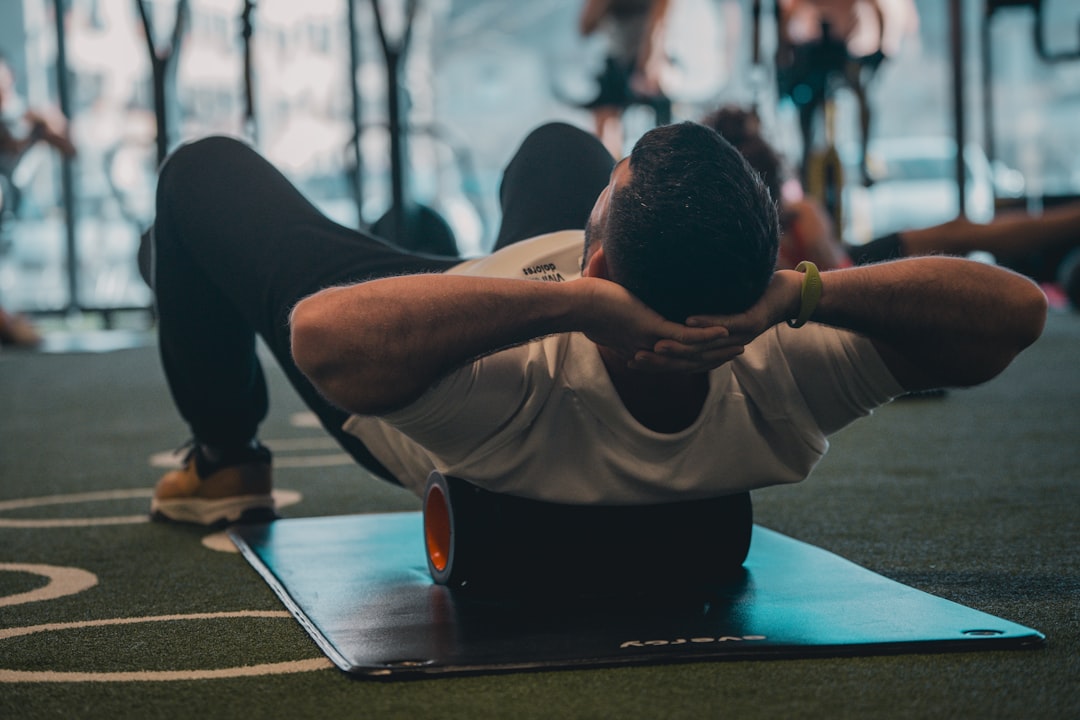
Tools for myofascial release and short-term recovery
Myofascial tools help loosen tissue and reduce surface tension before stretching. They don’t increase long-term passive range by themselves but make deeper stretches feel less guarded.
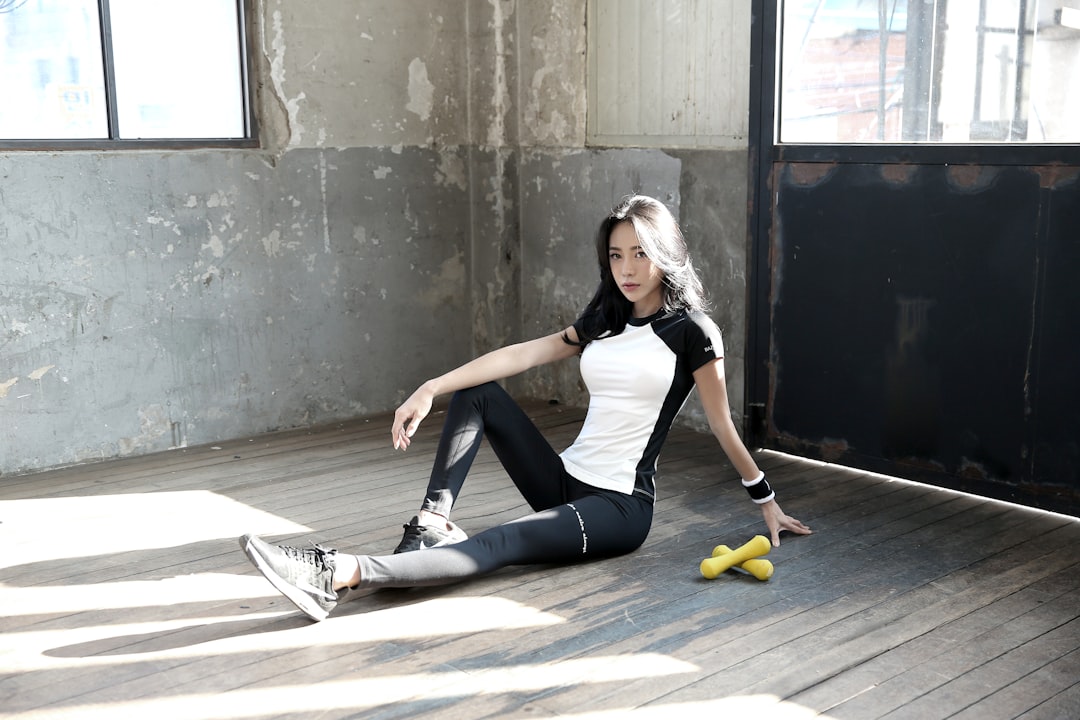
- Foam rollers: Choose firm, high-density rollers for deeper pressure, softer for tender areas. Use for 1–2 minutes per muscle group, avoiding bony spots.
- Massage sticks or balls: Small balls (lacrosse size) are excellent for pecs, glutes, and feet.
Pair these with active mobility to convert temporary tissue relaxation into functional range.
Tools for passive, long-hold stretching and increased range
When the goal is to hold relaxed stretches and gradually lengthen tissue, you want devices that stabilize and let you maintain a position comfortably for 1–5 minutes.
- Stretching straps with loops: Allow easy progression, fine-tuned intensity, and safer hamstring/hip stretches for people who can’t reach their foot. They’re a staple for physical therapy and home rehab.
- Slant boards: Small and inexpensive, slant boards reliably increase ankle dorsiflexion and calf length; helpful if tight calves or limited ankle mobility affect squats or running.
- Leg stretching machines: Useful for very specific split or extension goals, though they’re larger and usually used by advanced users.
For most people who want measurable progress in hamstring and hip flexibility, a strap plus a slant board is the most efficient combo.
The stretching strap above is the practical choice when you need controlled passive holds and measurable progression. Use it for hamstrings, hip rotators, and shoulder flexibility work.
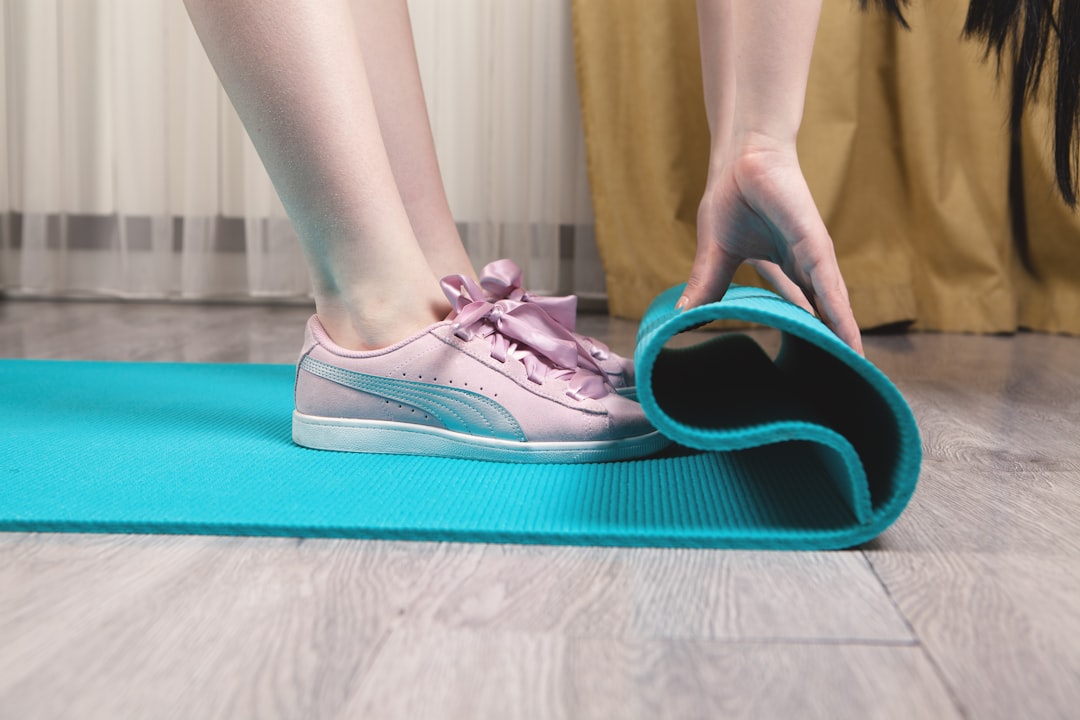
A slant board is small, durable, and targets ankle and calf tightness efficiently—often the missing piece for deeper squat mechanics and reduced Achilles strain.
When to consider recovery devices beyond stretching
Compression systems and heated wraps aren’t stretching tools per se, but they support recovery by improving circulation and reducing soreness—useful on high-volume recovery days or when swelling limits movement. These are complementary, not replacements for mobility work.
Practical buying priorities and trade-offs
- Durability: Nylon straps and dense EVA slant boards last years; cheap bands can snap—buy sets from reputable sellers.
- Adjustability: Loop straps and multi-tension bands cover more users.
- Portability vs stability: Bands and straps travel well; slant boards and leg machines are best for a fixed home setup.
- Price vs utility: A strap and a mid-density foam roller cover most needs for under many higher-priced single-purpose devices.
Simple routines tying tools to goals
Use these pairings rather than isolated tool drills:
- Mobility warm-up: light banded shoulder circles + foam rolling thoracic spine + active hip CARs with mini-resistance band.
- Increase hamstring length: foam roll posterior chain → passive 2-minute hamstring holds with strap → light eccentric Nordic or loaded RDLs.
- Improve ankle dorsiflexion: slant board holds 1–2 minutes + banded ankle mobilizations and squats.
Where to go next
If you want a step-by-step daily plan for mobility progress, our guide How to Improve Mobility and Flexibility at Home lays out simple progressions that pair well with the tools above.
- Which body region and stretch type are your priority?
- Do you need portability (bands/strap) or a stable platform (slant board)?
- Can you progress intensity safely with the tool?
- Is the material durable and easy to clean?
- Have you checked contraindications for recent injuries?
Pick tools based on the stretch type: straps and slant boards for passive range gains, bands for active control, and rollers for tissue preparation. A strap + band + roller combo covers most mobility and recovery needs efficiently.
Not necessarily; foam rollers are versatile for large muscles, while massage balls target tight spots like glutes and shoulders. Use a ball when a roller can’t apply focused pressure.
[AZAM_FAQ_ITEM question=”Are stretching machines better than