That tight-after-run moment: which tool to reach for?
You finish a hard run, your calves are tight, and on the shelf sit two tempting options: a foam roller and a buzzing massage gun. Which one will actually make you feel better by tomorrow, warm you up before a workout, or loosen that stubborn knot? If you’ve typed massage gun vs foam roller into the search bar, you want a clear, practical answer you can use tonight.
Decision criteria: what matters when choosing a recovery tool
Before picking one, decide what you want the tool to do. Use these criteria to judge each option:
- Primary goal: pain relief, mobility, warm-up, or breaking up knots (trigger points).
- Tissue depth and sensitivity: superficial tightness versus deep, dense muscle.
- Control and specificity: do you need broad pressure or a pinpoint attack?
- Time and convenience: how long will you use it and where (home, gym, travel)?
- Risk and learning curve: ability to apply too much force or use poor technique.
- Budget and durability.
Massage gun vs foam roller: Which suits your goals?
Short answer up front: for fast, targeted relief and portability choose a massage gun; for sustained mobility work, improving tissue range and budget-friendly routine choose a foam roller. Below are the meaningful trade-offs that explain why.
How they work and how that changes results
Foam rollers apply continuous, broad pressure as you roll your body across them. That sustained pressure helps stretch fascia and lengthen muscle-tendon units, which can improve range of motion and address broad areas (quads, hamstrings, calves, back).
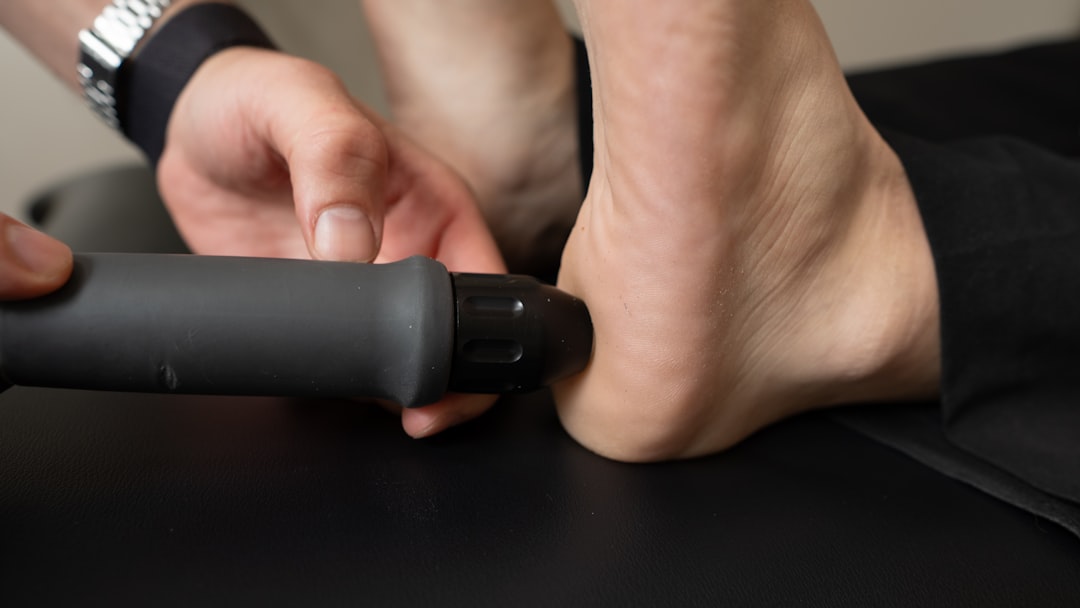
Massage guns use percussive therapy—rapid pulses that transiently compress and release tissue. That can increase local blood flow, interrupt muscle spasm, and quickly reduce the sensation of tightness. They’re better at getting into tight trigger points if you use smaller heads and lower intensity over sensitive spots.
Pressure depth, precision and pain tolerance
Foam rollers distribute force across a wide area; you control intensity by how much bodyweight you place on the roller. That makes them gentler for beginners but less precise for tiny knots. Conversely, a massage gun concentrates percussive force into a small surface area with fast oscillations—highly effective on tight spots but easier to overuse or aggravate sensitive tissue.
Time efficiency and routine placement
If you have five minutes between sessions, a massage gun can quickly reduce pre-work stiffness. If you want a ten-minute mobility session to improve squat depth or hip flexor range, a foam roller gives longer mechanical pressure and is more likely to change movement patterns over time.
Safety, technique and learning curve
Improper use of either tool can cause soreness. Common mistakes: holding a massage gun on one spot for too long, or rolling over bony joints or low back without control. Foam rolling requires more body control to avoid collapsing into poor positions. If you have vascular issues, recent injury, or severe pain, stop and consult a professional.
Who should pick a massage gun, and when
- Runners or athletes who need quick, targeted relief before or after workouts.
- Busy people or travelers who want portable, fast treatments.
- Those who respond well to percussive stimulation and prefer a hands-off device.
- People with isolated tight spots (e.g., a sore glute trigger point) who need focal pressure.
Suggested product for on-the-go targeted relief:
For instructions and safety tips, see how to use a massage gun for post-workout recovery.
Who should pick a foam roller, and when
- Lifters and mobility-focused exercisers who want to improve joint range and tissue length.
- Beginners or those on a budget—foam rollers are durable and simple to use.
- People looking for a sustained, full-limb approach (rolling quads, IT band, calves, T-spine).
- Those who want to include self-myofascial release in a longer warm-up or cooldown routine.
Strong local-match foam roller option for deeper, consistent pressure:
For technique and when to roll, read our foam rolling guide: how and when to use a foam roller.
When to use both
They’re not mutually exclusive. A practical routine: 2–5 minutes of foam rolling to address broad tissue quality and mobility, then 1–2 minutes with a massage gun on stubborn trigger points or immediately before a workout to reduce focal stiffness. Use foam rolling for movement prep and motor pattern work; use a massage gun as a fast adjunct when you need targeted relief.
Cost, maintenance and portability—practical trade-offs
Foam rollers: low cost, no batteries, long lifespan. Massage guns: higher upfront cost, need charging, and replacement heads over time. For travel, a mini massage gun wins; for home base, a quality foam roller gives more consistent payoff per dollar.
Final decision guide: who will benefit most from each tool
- If you need quick, targeted relief, travel often, or dislike spending time on long mobility sessions: favor a massage gun.
- If your goal is improved range of motion, better movement patterns, or a low-cost all-around tool: choose a foam roller.
- If you want the best of both worlds and have the budget, keep both—start with foam rolling and finish with percussive work.
- Identify your primary goal: mobility, pain relief, warm-up, or spot treatment.
- Try devices first if possible—test pressure and noise on a massage gun; firmness on a foam roller.
- Avoid rolling directly over joints, recent injuries, or numb areas.
- Plan routines: 2–5 min foam rolling for mobility; 1–2 min massage gun per tight spot.
- Check battery life, warranty, and replacement head options for a massage gun.
Pick the tool that matches your goals: foam rollers for broad mobility and budget-friendly consistent work; massage guns for fast, precise spot relief and portability. Many users find the most practical approach combines both—foam roll for movement quality, then percussive work for stubborn knots.
Not fully—massage guns give quick, targeted percussive relief, but foam rolling provides sustained pressure across larger areas that better supports mobility work.
Both are safe when used correctly; the main risk is overdoing intensity—avoid pressing hard over bones, joints, or injured tissue and consult a professional if unsure.
Foam rolling sessions commonly run