Finish your workout without the next-day ache
You just finished a heavy leg day, you climb the stairs with more effort than usual, and your quads feel tight and heavy — that’s a familiar post-workout scene. A correctly used post-workout massage gun can reduce that tightness, improve short-term mobility and make your next session more comfortable. Below is a practical routine you can do in 5–15 minutes after training, how to choose attachments and settings, and common mistakes that slow results.
When and why to use a post-workout massage gun
Use a massage gun either immediately after a light cooldown or later the same day. Right after training it helps relax muscle tone and clear metabolic waste; later use (6–48 hours) can help reduce delayed onset muscle soreness (DOMS) and improve range of motion. Avoid using a massage gun on an actively inflamed joint, an acute strain that’s still sharp, or over open wounds.
Set up: choose the right head, power and posture
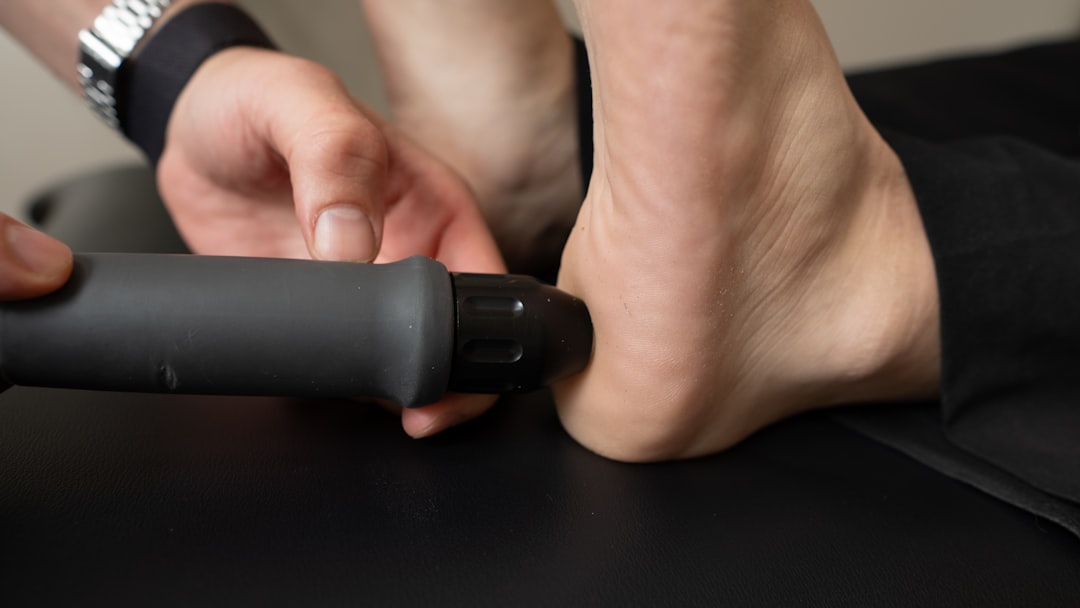
Pick an attachment for the target muscle: a large round head for quads, glutes and hamstrings; a flat or fork head for shoulders, calves and around the spine; a bullet head for tight knots and trigger points. Start at the lowest power and raise one level at a time as tolerated.
Posture matters — sit or stand so the muscle is relaxed and supported (e.g., sit on a bench for quads, lie on your side for IT band). Hold the device like a flashlight and let its percussion do the work; don’t press hard.
How to apply it: practical routine to follow
- Warm up briefly. Spend 3–5 minutes with light aerobic movement or dynamic stretches so the tissue is warm.
- Work broad then specific. Start with longer strokes over the muscle belly: glide the gun along the quads, hamstrings or calves for 30–60 seconds per large area to increase blood flow.
- Treat tight spots. For trigger points, hold the gun on the spot for 10–30 seconds, then glide for 30–60 seconds around it. Repeat once if needed — avoid holding longer than 60 seconds on the same spot to prevent bruising.
- Overall timing. Aim for 5–10 minutes total for a single body region (e.g., both quads), and 10–15 minutes for a full-body cooldown. Less is often enough; quality beats long aimless sessions.
- Speed and movement. Move the gun slowly (roughly 3–6 inches / 8–15 cm per second) rather than zig-zagging. Keep contact steady but light.
How to adapt technique for common workouts
Runners: prioritize calves, shins, quads and glutes. Use a flat head for calves and a round head for quads. Lifters: spend more time on eccentrically loaded muscles (e.g., hamstrings after deadlifts). CrossFit and metabolic sessions: you may favor shorter sessions focused on soreness spots rather than full-muscle passes.
Picking a device and a simple product option
Look for a gun with multiple speed settings, a range of heads, and at least 2–3 hours of battery life for regular use. If you need a compact, reliable option for at-home and travel use, consider the RENPHO Mini Thermal Massage Gun — it’s a practical match for everyday recovery needs.
For more model choices see the site’s massage gun category: Massage Guns.
Safety checks and common troubleshooting
- Too painful or bruised: lower the speed and reduce hold times; stop if sharp pain persists.
- Device overheats: turn off, let it cool 10–20 minutes and avoid holding in one spot for long periods.
- Underlying conditions: skip percussive therapy if you have recent fractures, deep vein thrombosis, severe varicose veins, uncontrolled high blood pressure, or if you’re pregnant — check with a clinician first.
- Ineffective feeling: switch heads, increase speed one step, or combine with active mobility exercises to reinforce change.
When a massage gun is a good choice — and when it isn’t
Use a massage gun for temporary relief of tightness, improving short-term range of motion, and as a supplement to stretching and strengthening. It’s not a substitute for medical treatment when pain is acute, progressive, or associated with nerve symptoms. For broader recovery strategies, see our guide on muscle recovery after strength training.
- Warm tissues briefly before using the gun.
- Choose a large head for big muscles, bullet for knots.
- Start at low speed; 10–60 seconds per spot is usually enough.
- Avoid bones, inflamed joints and open wounds.
- Watch for bruising or worsening pain and stop if it appears.
- Charge and clean attachments after sessions.
A post-workout massage gun, used briefly and with the right attachments and pressure, efficiently reduces tightness and improves mobility. Start gentle, target trouble spots, and pair use with warmups and mobility work for best results.
How long should I use a massage gun after a workout?
Keep sessions short: 30–60 seconds per large area for broad strokes, and 10–30 seconds focused on specific knots; 5–15 minutes total for targeted recovery is typical.
Can a massage gun reduce DOMS?
Yes, percussive therapy can reduce perceived muscle soreness and improve short-term mobility, especially when used within 48 hours after intense exercise.
What attachment is best for tight hamstrings?
Use a large round head for overall hamstring work and a bullet head for deeper trigger points; keep pressure light and glide slowly.
Is it safe to use a massage gun every day?
Daily short sessions are generally safe for healthy muscles; avoid overusing a single spot and stop with any signs of bruising or persistent pain.
Should I use a massage gun instead of foam rolling?
They’re complementary: massage guns are faster and easier on joints, while foam rolling provides sustained pressure and can be better for some fascia work—use whatever feels best and fits your routine.