Why most equipment talk misses the point (and what actually matters)
When you search for ways to build strength without a gym, you’ll see lists of machines and heavy weights. What really matters is progressive overload, consistent movement patterns, and choosing resistance that challenges you—none of which require expensive equipment. You can improve strength without expensive equipment by prioritizing specific exercises, adding load intentionally, and using low-cost tools or household items as needed.
Ignore gadget shopping lists that promise ‘complete gym in a box’ and focus instead on the relationships between load, reps, and recovery. Below are the practical choices and when to use them.
How to improve strength without expensive equipment
There are three reliable paths to get stronger at home: bodyweight progressions, improvised external load, and inexpensive portable gear. Choose one primary path based on space, goals, and current strength.
1. Bodyweight progressions — best when you have very little space or budget
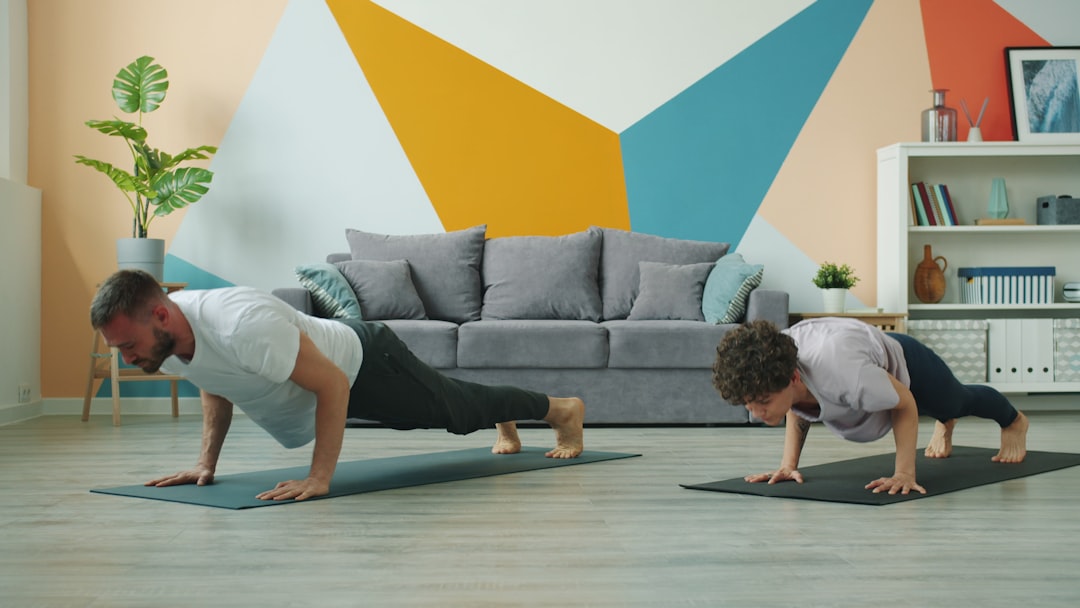
Bodyweight training is the most equipment-free route. To build strength, you must make exercises harder over time. That means moving from easy to harder variations, increasing sets, lowering rest, or changing leverage.
- Pushing: wall push-up → incline push-up → standard push-up → decline/weighted push-up.
- Pulling: negative rows on a table → inverted rows → assisted pull-up → unassisted pull-up.
- Legs: bodyweight squat → split squat → pistol progressions and slow eccentrics.
- Core/anti-extension: knee raises → hanging leg raise progressions → ab wheel rollouts (if available).
Work in rep ranges that suit strength: aim for sets of 4–8 for raw strength once you can do 12–20 reps easily with a movement. Use tempo (slow eccentrics) and pauses to increase difficulty without adding weight.
2. Improvised external load — when bodyweight stops being enough
Household items can provide meaningful load cheaply. A loaded backpack, filled water jugs, sandbags, or heavy grocery bags let you add progressive resistance to squats, rows, lunges and even carries.
How to use them effectively:
- Add small, measurable increases (e.g., extra water bottle or book) to apply progressive overload.
- Favor compound lifts—suitcase carries, weighted step-ups, bent-over rows—because they build functional strength quickly.
- Secure loads safely: use a sturdy backpack with weight centered; avoid sharp edges that cut straps.
3. Low-cost, high-impact gear to consider
If you will train long-term from home, two affordable items cover most needs: resistance bands and a simple weighted vest. Bands give variable resistance for presses, rows and pull assistance; a weighted vest lets you keep the exercise pattern (push-up, pull-up, squat) while increasing load.
When to buy: get resistance bands first for versatility, and add a weighted vest when bodyweight progressions are painfully easy and you want to train in lower rep ranges for strength.
How to structure workouts so equipment (or lack of it) isn’t the limiter
The central program principles are simple: choose the right movement, pick a challenging resistance, track progress, and allow recovery.
Weekly layout for strength-focused home training
- Day A — Heavy push + accessory: 3–5 sets of a hard pushing movement (4–8 reps), 2 accessory sets (8–15 reps).
- Day B — Heavy pull + carries: 3–5 sets of a pulling movement (4–8 reps), plus carries or rows.
- Day C — Legs + core: 3–5 work sets of a loaded squat or unilateral leg movement (4–8 reps), core stability work.
- Frequency: 2–3 full-body sessions per week works well for most people starting without heavy equipment.
Log the weight, reps, and how you felt. If you can add one extra rep or a small increase in load every one to two weeks, you’re progressing.
Sample session using only bodyweight and a backpack
- Pseudo-planche push‑up progressions: 3 x 6–8 (or incline if not ready).
- Backpack bent-over rows: 4 x 6–8 (increase backpack weight slowly).
- Bulgarian split squats with backpack: 3 x 6 each leg.
- Farmer carry with filled grocery bags: 3 x 40–60 seconds.

Safety, technique and recovery — what to watch for
Strength gains come from consistent work, but poor technique and skipping recovery cause regressions. Always prioritize form over extra load. If you add a backpack or vest, distribute weight evenly and stop any movement that creates joint pain (sharp, localized aches).
Which option is right for your use case
- Beginner with zero equipment: start with bodyweight progressions, three sessions/week, and focus on squats, pushes and rows.
- Limited space but want long-term strength: add resistance bands and a weighted vest later for overload.
- On a strict budget and want immediate load: use a durable backpack and household items for added weight.
Where to go next (quick links)
If you want step-by-step beginner programming and equipment planning, see our Beginner’s Guide to Strength Training at Home and How to Build a Home Gym on a Budget.
Final practical recap
Strength without expensive equipment is a matter of