Start with the result and ignore shiny extras
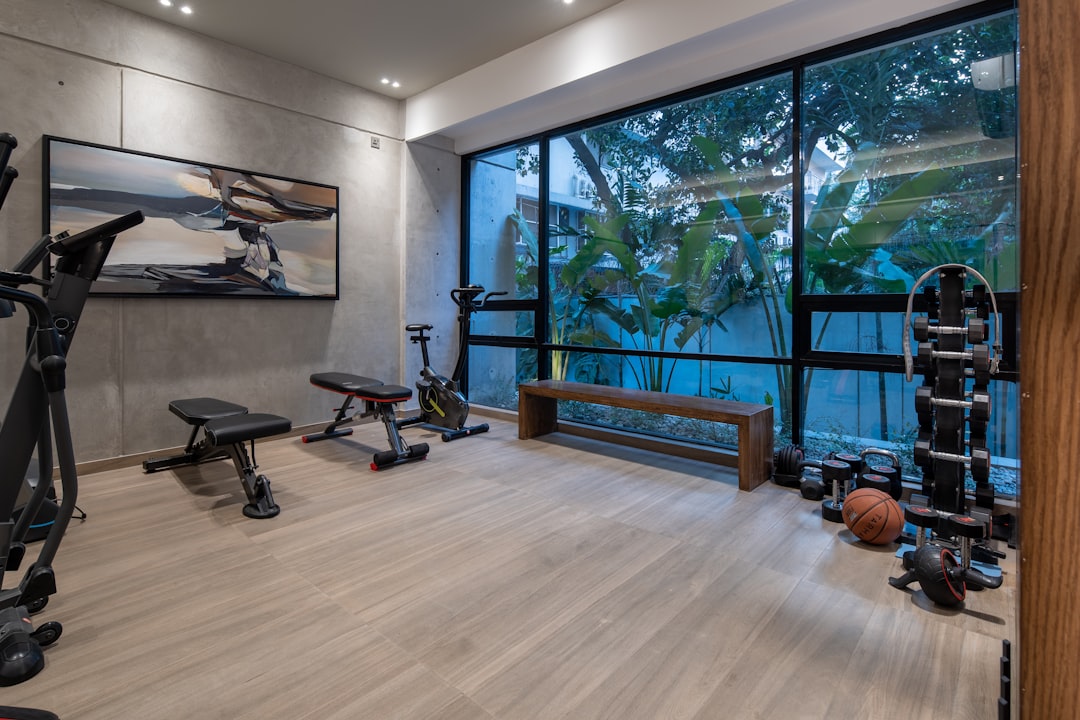
You want a reliable full-body workout setup that lets you train strength, conditioning, and mobility at home — not a showroom of gadgets you’ll never use. Focus on equipment and layout that deliver compound movements (push, pull, hinge, squat, carry), progressive overload, and safe floor/ceiling protection. Skip specialty single-move tools until you’ve used the basics consistently for several months.
Plan your full-body workout setup
Begin by clarifying the end result: one compact area where you can complete a 30–60 minute full-body session with minimal reconfiguration. Decide these three priorities first: the most important lifts you want to do (e.g., goblet squats, deadlifts, rows, presses), how much space you can dedicate, and your budget. Those answers determine whether you center the setup on free weights, bands, or bodyweight tools.
Measure space and set practical constraints
Measure a floor footprint and vertical clearance. Standard minimal footprints:
- Tight corner: ~6 ft × 6 ft for mat, bands, and a small dumbbell rack.
- Flexible space: 8–10 ft × 10 ft to include a bench or barbell work.
If ceiling height is limited, avoid overhead presses or use seated/landmine-style presses. For neighbors below, prioritize padded flooring and lighter equipment (bands, kettlebell) rather than dropping weights.
Choose the core equipment (buy in this order)
Buy items that unlock the most exercises first. A compact, effective starter kit looks like this:
- Adjustable or a small set of dumbbells (pairs covering light-to-heavy loads)
- Resistance band set with 3–5 tensions for assistance and added resistance
- Non-slip exercise mat for floor work and equipment protection
- Sturdy bench or flat surface that supports pressing and seated work
- Doorway pull-up bar or mounted pull-up option for vertical pulling
- Optional: kettlebell(s) or suspension trainer to expand movement variety
Equipment trade-offs: adjustable dumbbells save space but cost more upfront; fixed dumbbells are robust and quicker to use. Resistance bands are the cheapest way to add variable loading and travel easily.
Where flooring and protection matter
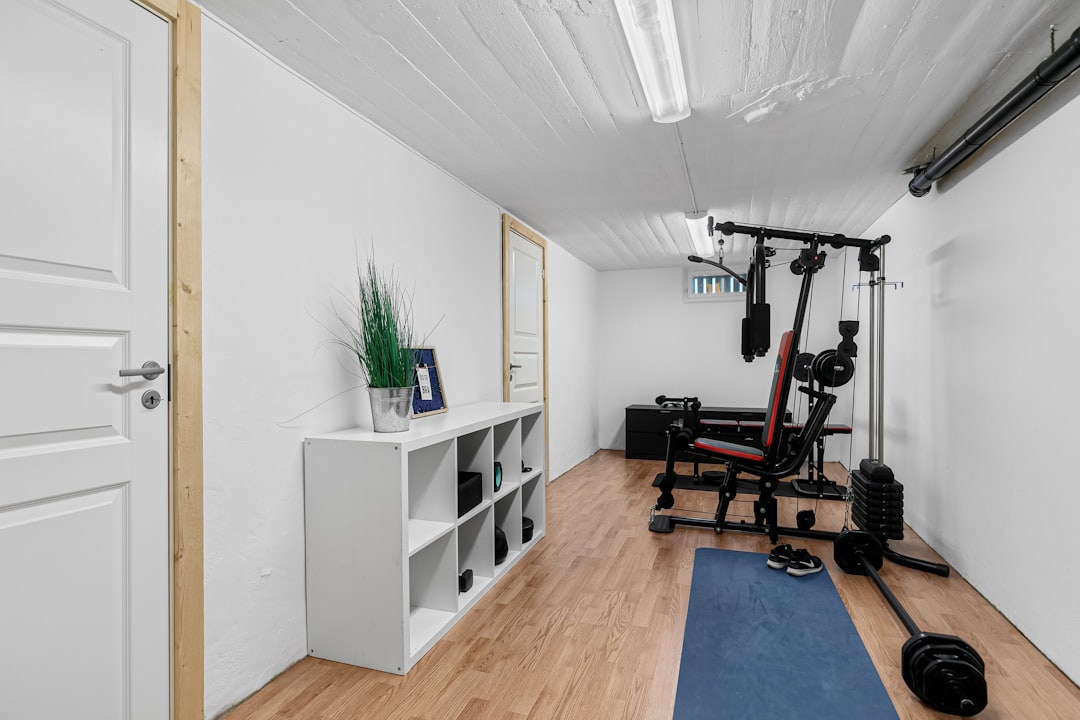
Protect both your floor and equipment. A non-slip mat reduces noise and keeps small plates or a bench from shifting. If you expect drops (barbell work), invest in thicker rubber tiles; otherwise a durable exercise mat suffices for most dumbbell and bodyweight training.
Lay out the space for flow and safety
Organize your setup so you can move from one exercise to the next without stepping over gear. Typical flow: warm‑up zone (mat and mobility tools) → strength zone (dumbbells/bench) → pull zone (pull-up/suspension trainer) → conditioning zone (space for jump rope or battle rope). Leave a 2–3 ft clear pathway for transitions.
Storage and quick-change tips
Use vertical storage: wall hooks for bands and ropes, a compact dumbbell stand, and under-bench baskets for towels. This keeps the footprint small and reduces setup time between exercises.
Build a balanced routine you can perform in your setup
Choose one workout template you can do with your kit. Example full-body session (3×/week):
- Warm-up: 5–8 minutes mobility and light banded movements
- Compound strength: 3 sets of 6–10 reps (squat variation or goblet squat)
- Pull: 3 sets of 6–12 reps (rows with dumbbell or suspension trainer)
- Push: 3 sets of 6–12 reps (dumbbell bench press or push-ups)
- Hinge: 3 sets of 6–10 reps (Romanian deadlift or kettlebell swings)
- Accessory/core: 2–3 sets of 10–20 reps (banded pull-aparts, plank variations)
- Conditioning: 5–10 minutes of intervals (jump rope, sled, or bike if available)
Progress by adding weight, increasing reps, or reducing rest. If you have only bands or bodyweight, increase intensity by changing leverage, tempo, or band tension.
Troubleshooting common constraints
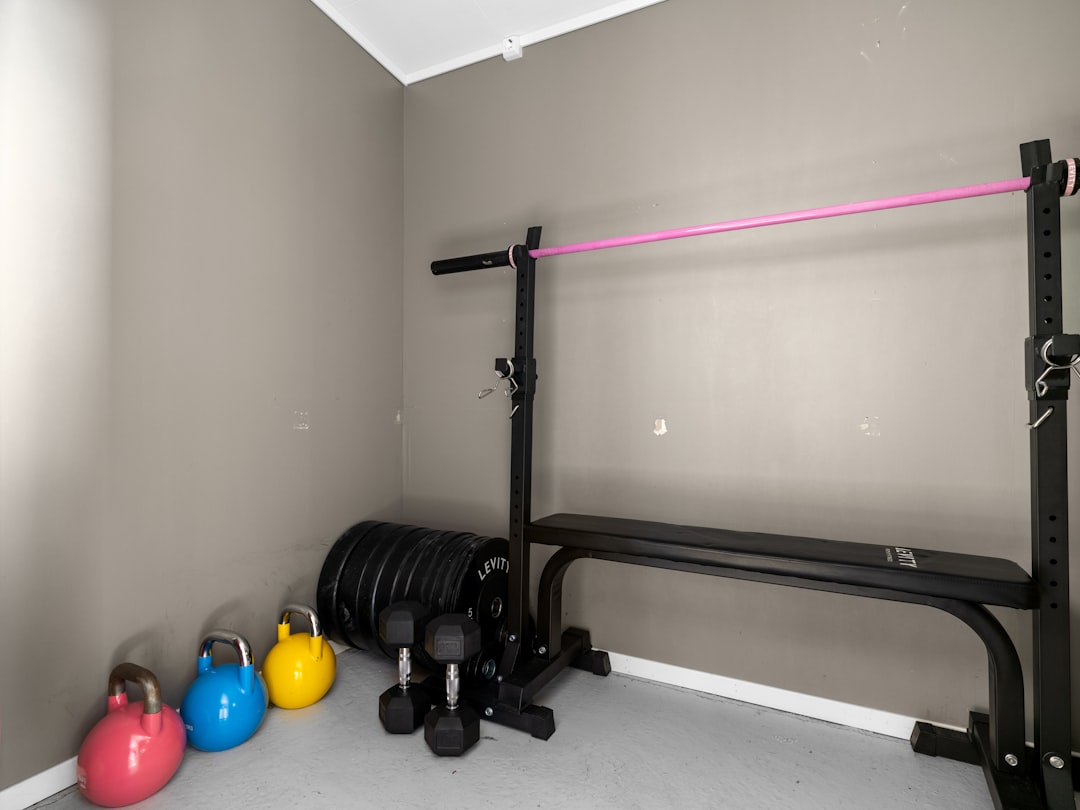
Small space: prioritize adjustable dumbbells, bands, and a foldable bench. Low budget: start with a band set and one adjustable dumbbell. Shared spaces or apartments: focus on non-dropping movements (no heavy deadlifts or dropped plates), use a thicker mat, and schedule louder work during acceptable hours.
Safety and longevity
Check equipment anchors and fastenings monthly, replace frayed bands, and ensure a pull-up bar is rated for bodyweight and correctly installed. If you train alone and attempt heavy lifts, favor machines or lighter progressions and consider a spotter or safety straps if using a barbell.
Next steps and useful internal resources
If you’re choosing between adjustable and fixed dumbbells, our comparison helps weigh the trade-offs: Adjustable Dumbbells vs Fixed Dumbbells. If space is a concern, read our guide on How Much Space Do You Really Need for a Home Gym?.
- Measure your floor footprint and vertical clearance.
- Prioritize dumbbells, bands, and a non-slip mat first.
- Design a single full-body session you can repeat 2–3× weekly.
- Arrange gear for a linear flow: warm-up → strength → pull → conditioning.
- Install secure anchors for pull-up or suspension equipment and check monthly.
Pick a compact, versatile core kit and arrange it so you can execute a full, balanced session without moving furniture. Start simple, track progress, and add specialized tools only when they fill a real gap.
A clear 6×6 ft corner is workable for dumbbells and bands; 8×10 ft gives