Practical opening observation
Most beginners overcomplicate their first purchases: a few versatile items will cover 80% of common goals—strength, mobility, and conditioning—without needing an entire garage of gear. If you’re deciding what home gym equipment to buy first, start with the pieces that give you the most movement options per dollar and per square foot.
What home gym equipment should beginners buy?
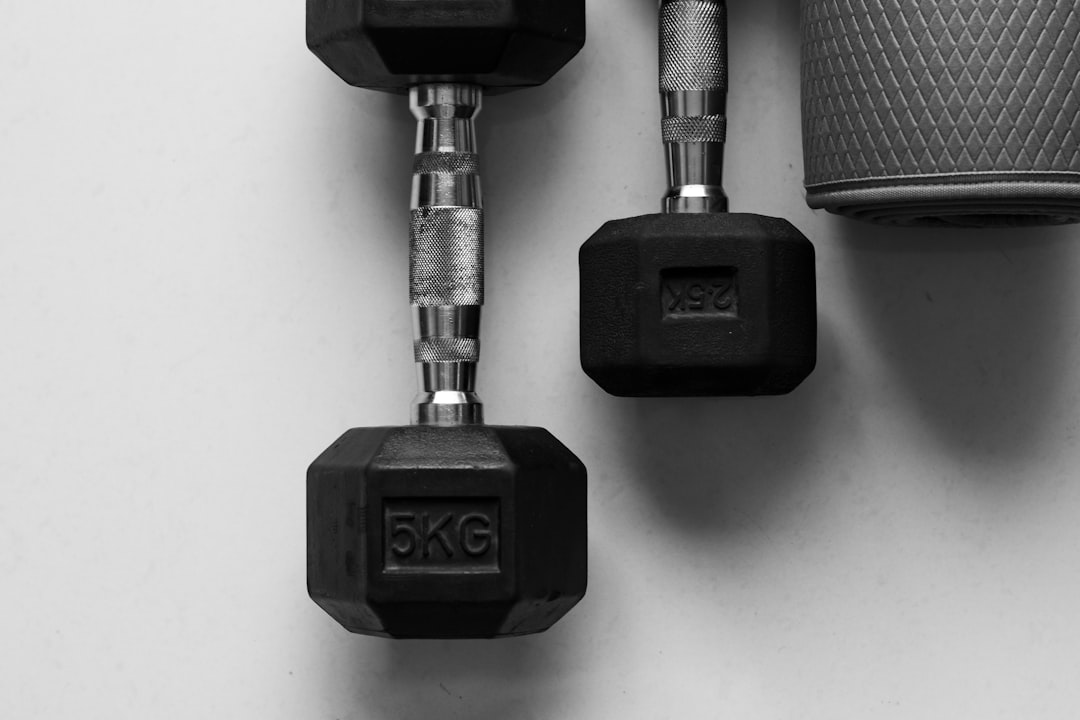
Buy a small, balanced set: adjustable dumbbells (or a basic dumbbell set), resistance bands, an exercise mat, and a durable surface (interlocking floor mats). These five items let you squat, hinge, press, row, lunge and stretch with simple progressions.
- Adjustable dumbbells or a compact dumbbell set — The most efficient way to add progressive resistance. If space or budget is tight, start with a modest pair and add weight or choose an adjustable set.
- Resistance bands — Cheap, portable and useful for assistance, mobility work, and adding variable resistance to presses and rows.
- Weight bench or sturdy flat surface — A bench expands your exercise options (presses, rows, step-ups). If you can, pick a compact adjustable bench; if not, a stable low box or step will do.
- Exercise mat — For floor work, mobility and comfort. Not the same as a floor protector—use both where necessary.
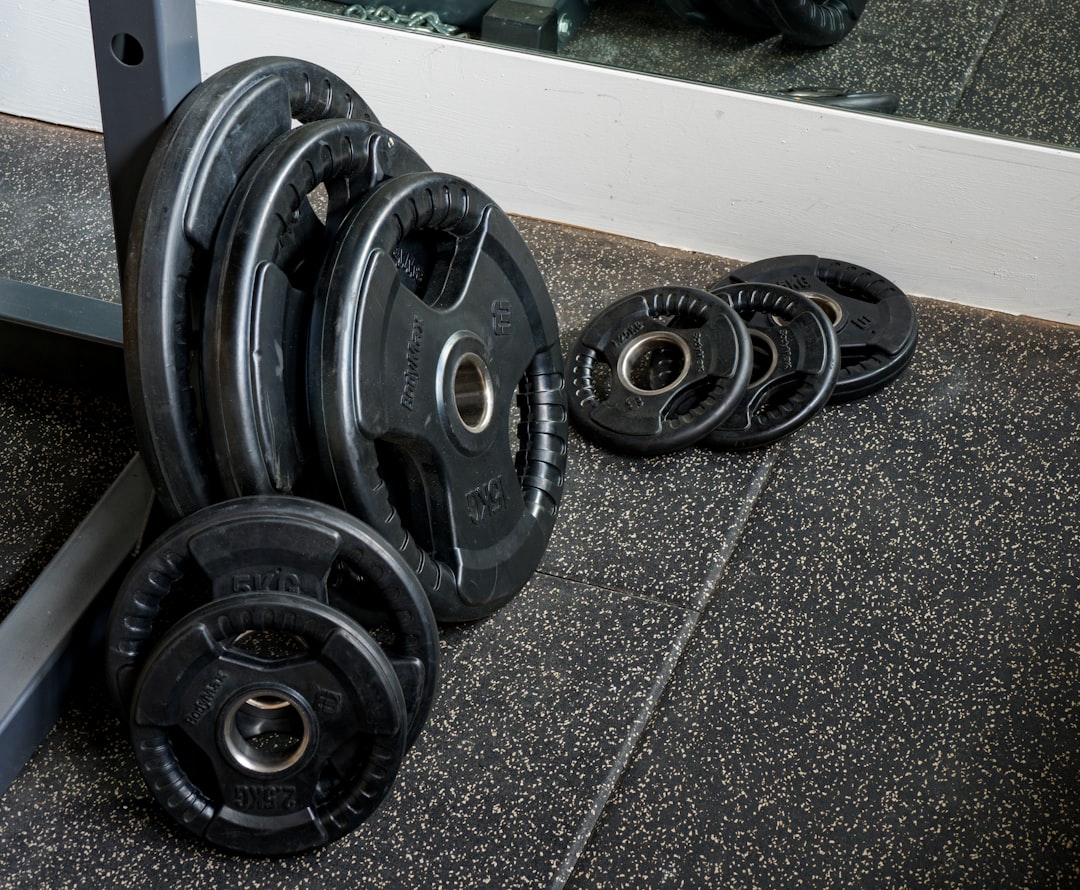
- Floor protection (interlocking gym mats) — Protects your floor and equipment, reduces noise and gives you safer footing.
Those five cover most beginners’ needs. Add a kettlebell or suspension trainer after you’ve built a consistent routine and identified technique or conditioning gaps.
Why these choices first?
They maximize movement variety and progression while minimizing cost and storage. Dumbbells teach single-arm stability and bilateral strength; bands fill in mobility and assistance work; a bench and mats make many standard lifts safe and effective.
How to choose between adjustable vs fixed dumbbells
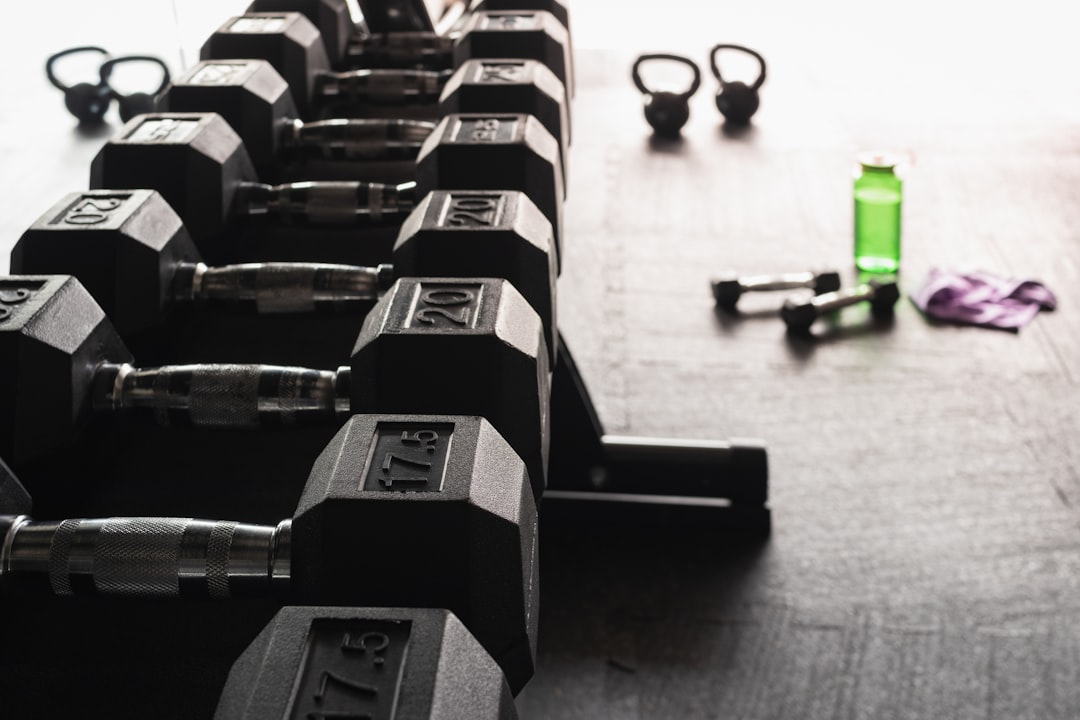
Space and frequency of use drive this choice. Adjustable dumbbells save space and often cost less than buying many fixed pairs; fixed dumbbells let two people train at once and can feel more stable for heavy lifts. If you plan to progress into heavier loads and have limited room, adjustable dumbbells are usually the best beginner pick.
For a deeper comparison, our guide on adjustable vs fixed dumbbells walks through the trade-offs for different training styles.
Small decisions that change the experience
- Bench type: A simple flat bench is fine for most; an adjustable bench adds incline options for shoulder-friendly pressing. See our bench buying guide for specifics: How to choose the best weight bench.
- Band resistance levels: Buy a set with multiple tensions. Thicker bands are useful for lower-body work; light bands are better for warm-ups and shoulder rehab.
- Flooring thickness: For weights dropped occasionally, 3/4″ rubber tiles are ideal; for light dumbbell work, thinner interlocking mats will suffice.
Where to spend more vs where to save
Spend more on items you’ll use every session and that affect safety: dumbbells and stable flooring. Save on accessories you can add later: specialty machines, multiple kettlebells, or high-end cardio gear. Resistance bands and a basic exercise mat are inexpensive but high-value purchases.
One product recommendation for beginners
If you expect to move weights in a basement, garage or rented space, floor protection should be a priority to avoid damage and reduce noise. An interlocking gym mat is a practical, reusable solution.
Simple starter routines these items let you do
With the set above you can run three simple weekly templates: full-body circuits for conditioning (bands + light dumbbells), strength-focused sessions (dumbbell squats, bench press, rows, deadlifts), and mobility/habits sessions (bands, bodyweight drills and stretching). Consistency beats gear—pick one routine and stick with it for 6–8 weeks before upgrading equipment.
Space and layout basics
Measure a clear area roughly 6–8 feet long by 4–6 feet wide for most workouts; you can do many exercises in smaller footprints if you plan carefully. For barbell work or dynamic moves, give extra clearance and consider a dedicated platform. For more on space planning, see How Much Space Do You Really Need for a Home Gym?
When to add more equipment
Add a barbell and plates if you want to specialize in heavy compound lifts. Add a cardio machine only when time or preference demands it. Otherwise, prioritize consistency and technique before buying more gear.
- Measure your available space and ceiling height before buying any large item.
- Start with dumbbells, resistance bands, a mat, and floor protection.
- Choose adjustable dumbbells if space or budget is limited.
- Buy bands with multiple tensions and label them.
- Install a cleared workout zone with good lighting and ventilation.
For most beginners, a compact set of adjustable dumbbells (or small fixed set), resistance bands, a bench or stable surface, an exercise mat, and interlocking floor mats will cover the vast majority of useful workouts. Prioritize versatility and safety over novelty purchases.
Do I need a lot of space to build a home gym?
No. Many effective routines fit in a 6×4 foot area; larger pieces like a squat rack require more room. Plan your moves and safety margins first.
Are resistance bands enough to build strength?
They’re excellent for beginners and for assistance work, but progressive heavy resistance (like dumbbells or barbells) is needed to maximize strength gains long-term.
Which is better for a beginner: kettlebell or dumbbells?
Dumbbells offer easier progression and shared movement patterns for most lifts; kettlebells are great for conditioning and hip-dominant movements. Start with dumbbells unless you prefer swinging-style training.
How much should I budget to start?
A basic, effective starter setup (dumbbells or adjustable set, bands, mat, and mats) can be assembled on a modest budget; cost varies widely by brand and new vs used choices.
What equipment helps when training alone for safety?
Use lighter weights with perfect form, resistance bands for controlled progressions, sturdy floor mats, and avoid risky heavy lifts without spotters or safety racks.