Bottom line first: pick dumbbells that fit your goals, space and progression
The single most useful rule when choosing the right dumbbells for home is this: match the weight range and form factor to what you plan to do and how much room you have. If you want general fitness and limited storage, a good adjustable dumbbell or a small fixed set covering light-to-moderate weights is usually best. If you’re chasing heavy strength gains, invest in heavier fixed pairs and a rack. Prioritize durable materials, a comfortable grip and secure storage above brand names.
How to choose the right dumbbells for home: what actually matters
1. Your training goals and progression
Start by defining the lifts and progression you expect. Typical clusters:
- General fitness, circuits, rehab — light to moderate loads (3–30 lb).
- Muscle-building for beginners/intermediates — moderate loads (10–50 lb), steady progression in 5 lb increments.
- Serious strength training — heavy pairs (50+ lb) for presses, rows and carries.
Choose equipment that lets you add load gradually. If you expect to increase your working weights by 20–30% within a year, favor adjustable systems or plan purchases in stages.
2. Space and storage constraints
Measure the storage footprint and ceiling height where you’ll train. Fixed hex or rubber dumbbells need floor space and a rack; selectorized adjustable dumbbells condense many weights into a single pair. If floor protection and quiet are concerns, allow room for a mat under the weights.
Quick storage rule: if you can’t dedicate 3–4 square feet to a rack, pick adjustable dumbbells; if multiple users need different weights simultaneously, fixed pairs on a rack are easier to share.
3. Budget and long-term cost
Adjustable dumbbells usually cost more up front than a small fixed set but can be cheaper than buying many heavy fixed pairs over time. Fixed dumbbells are modular — you can add heavier pairs as budget allows. Decide whether you want a one-time compact purchase or a phased collection.
4. Types of dumbbells and trade-offs
- Selectorized adjustable (dial/selector): Fast to change, very space-efficient — excellent for 5–50 lb ranges. Potential drawbacks: moving parts can wear and often have a single weight increment range.
- Plate-loaded adjustable: Uses standard plates and collars. Flexible and often cheaper to extend, but slower to change and needs plate storage.
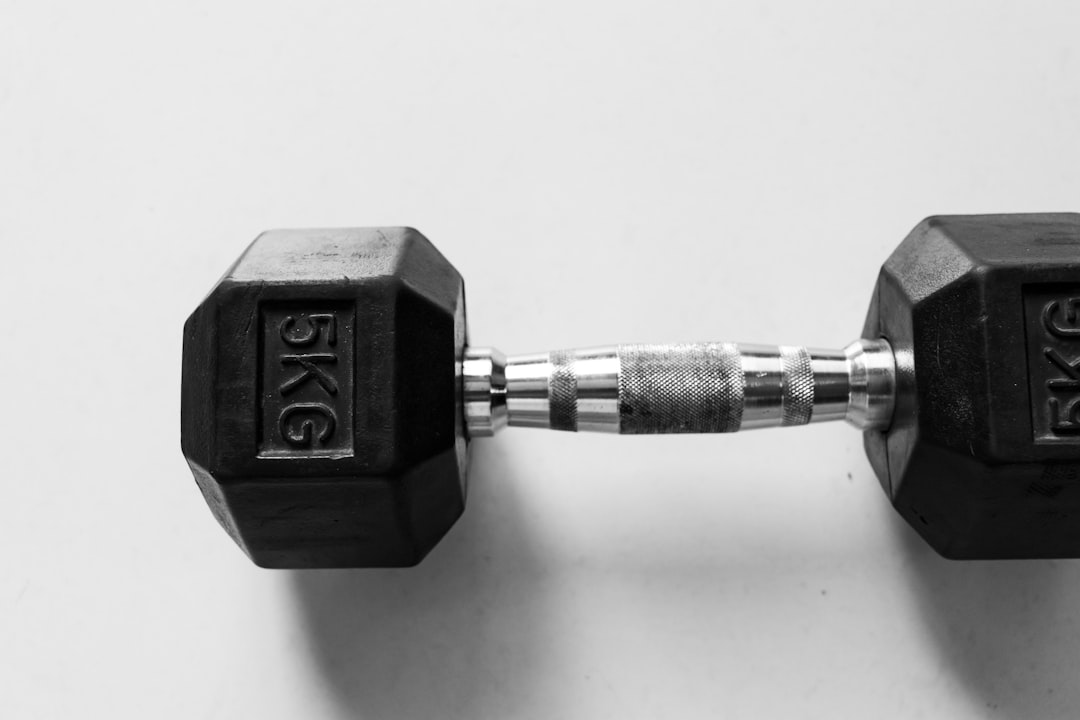
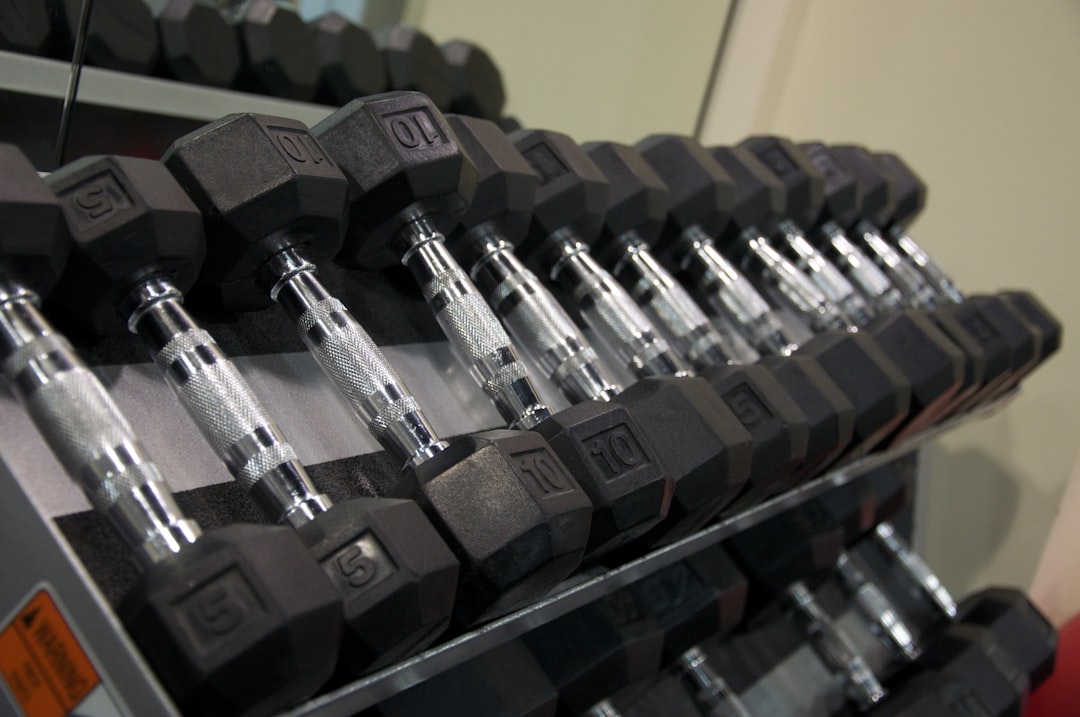
- Fixed hex/rubber dumbbells: Durable, quiet, predictable feel. Best for heavy training and commercial-style durability; require a rack and more space.
- Neoprene or vinyl-coated light dumbbells: Comfortable for high-rep conditioning and beginners; not ideal if you’ll need heavy weights later.
5. Weight range and increment decisions
Consider the smallest useful increment and your starting working sets. Example planning:
- If you bench press 60–80 lb as a beginner, a set that reaches 50–60 lb per hand is minimum; adjustable or fixed pairs to 50 lb are sensible.
- For progressive overload, 5 lb increments are ideal above 30 lb; 2.5 lb increments matter more in smaller weight ranges or rehab work.
- Women and novice lifters often benefit from lighter increments (2.5–5 lb) for upper-body progressions.
6. Material, finish and grip
Common finishes:
- Rubber-coated: Protects floors, quieter, durable for frequent drops.
- Urethane: More durable and cleaner-looking than rubber but pricier.
- Chrome/knurled steel: Long-lasting and good grip but can pinch flooring and is noisy.
Check handle diameter and knurling—thinner handles suit smaller hands; textured knurling helps a secure grip for heavy sets. For sweat-prone users, consider knurled steel or add gloves.
7. Safety, floor protection and accessories
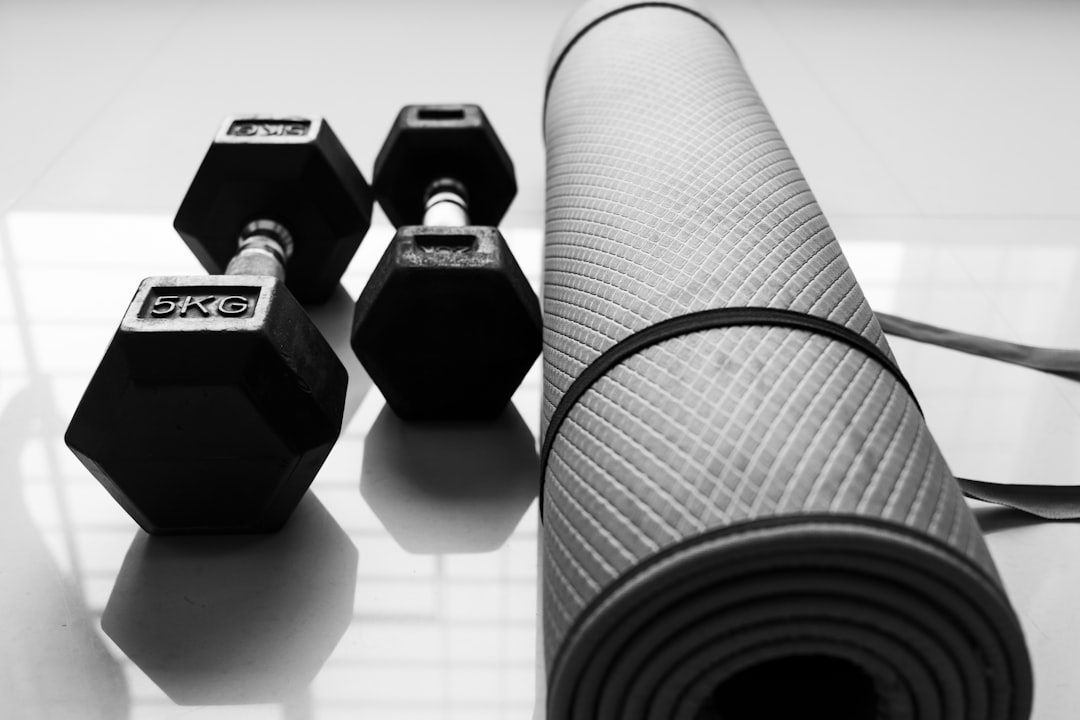
Plan for floor protection (rubber matting) if you have hardwood or tile; a low-impact drop surface reduces noise and protects dumbbells. Always use a rack to keep weights off the floor and reduce tripping hazards.
Match your use case to straightforward recommendations
Below are practical options by common scenarios.
Limited space, one-person training — best compact option
If you need 5–50 lb options in a footprint under 2 sq ft, adjustable selectorized dumbbells pack the most value. They replace multiple pairs and are quick to change between sets.
Recommended product for space-saving adjustable use:
Budget phased approach and long-term heavy lifting
Buy fixed rubber or urethane pairs in increments you’ll use most (e.g., 10, 15, 20, 25, 30, 35, 40 lb) and add heavier pairs over time. This spreads cost and gives the solid feel heavy lifters prefer.
Shared household gym or multiple users
Fixed pairs across a range are easiest when two people need different loads at the same time. Store them on a compact rack for fast access.
Recommended product for storage:
Maintenance, warranties and the small details that matter
- Inspect adjustable mechanisms occasionally for dirt and tightness; follow manufacturer lubrication guidelines if provided.
- Protect steel handles from rust by wiping down after use; neoprene and rubber need only occasional cleaning with mild soap.
- Check warranty scope for selector systems—moving parts may have shorter coverage than fixed heads.
When to buy more versus when to upgrade
If you hit a plateau because you don’t have enough weight, choose the next heavier fixed pair or extend your adjustable’s plate set. If you’re repeatedly changing load by tiny amounts, prioritize an adjustable with small increment options.
Helpful internal resources
For building out the rest of your space and safety planning, see our guide on building a home gym on a budget and home gym safety. If you want more beginner programming to use with new weights, check <a href="https